

A polished website can establish that a brand knows how to present itself. It does not establish who operates the brand, whether the product page describes the exact model on sale or who will provide support after purchase. Those questions require a short verification record.
This guide is for readers assessing a Chinese design brand through public information. It is not a ranking and does not substitute for physical testing. The method is deliberately simple: identify the brand, identify the exact object, then check the route from manufacturer information to the regional seller.
1. Begin with the brand’s own identity
Start on the official About, Contact or corporate information page. Record the public-facing brand name, the company name when it is stated, the country or city connected to the business and the date on which the information was checked. Do not fill gaps with a marketplace seller name or a social-media account.
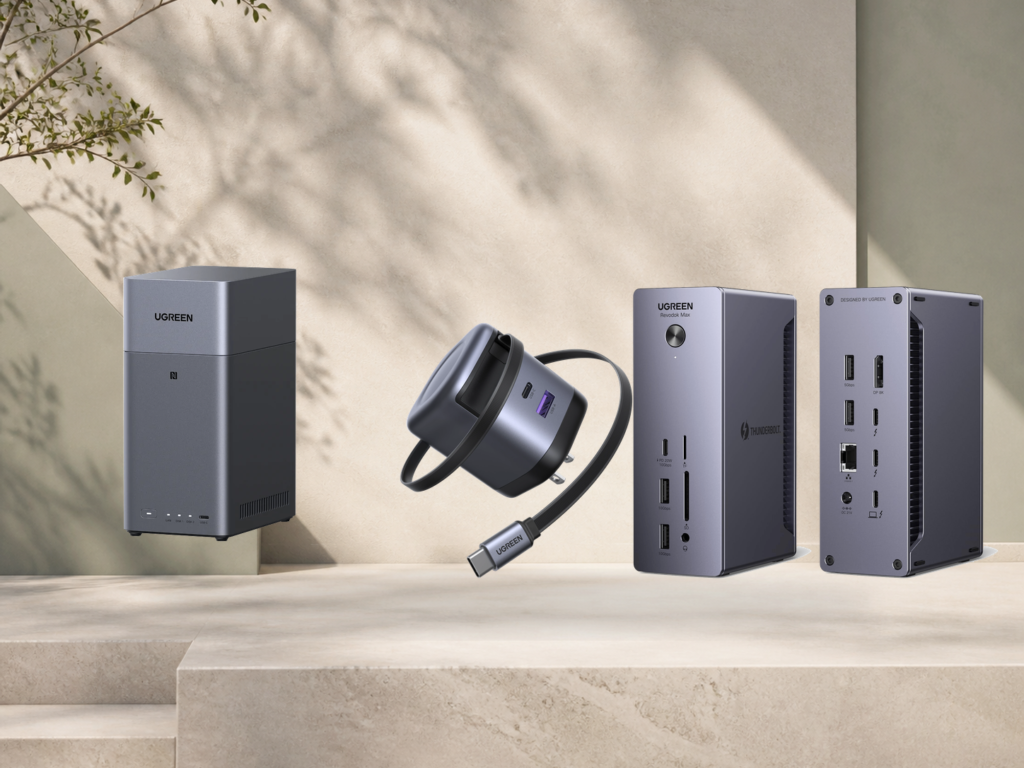
UGREEN’s current About page, for example, says the company was founded in 2012 and organises its work around charging, hubs and adapters, home and car accessories, and power stations. That establishes the identity and published scope of the brand. It does not prove the performance of a particular charger, nor does it tell a buyer which regional entity will handle an order.
Brand history is useful when it can be tied to a first-party page. Phrases such as “leading,” “premium” or “global” remain marketing descriptions unless the page provides evidence specific enough to check.
2. Confirm the official domain
A search result can place a reseller, distributor or marketplace above the manufacturer. Look for a consistent domain used across the brand’s product pages, support pages, manuals and verified social profiles. If a company operates regional domains, record which one applies to the product and destination being considered.
The domain check matters because the same product name can appear in copied listings long after a model changes. An official page is not infallible, but it provides a traceable starting point and a route to current documentation.
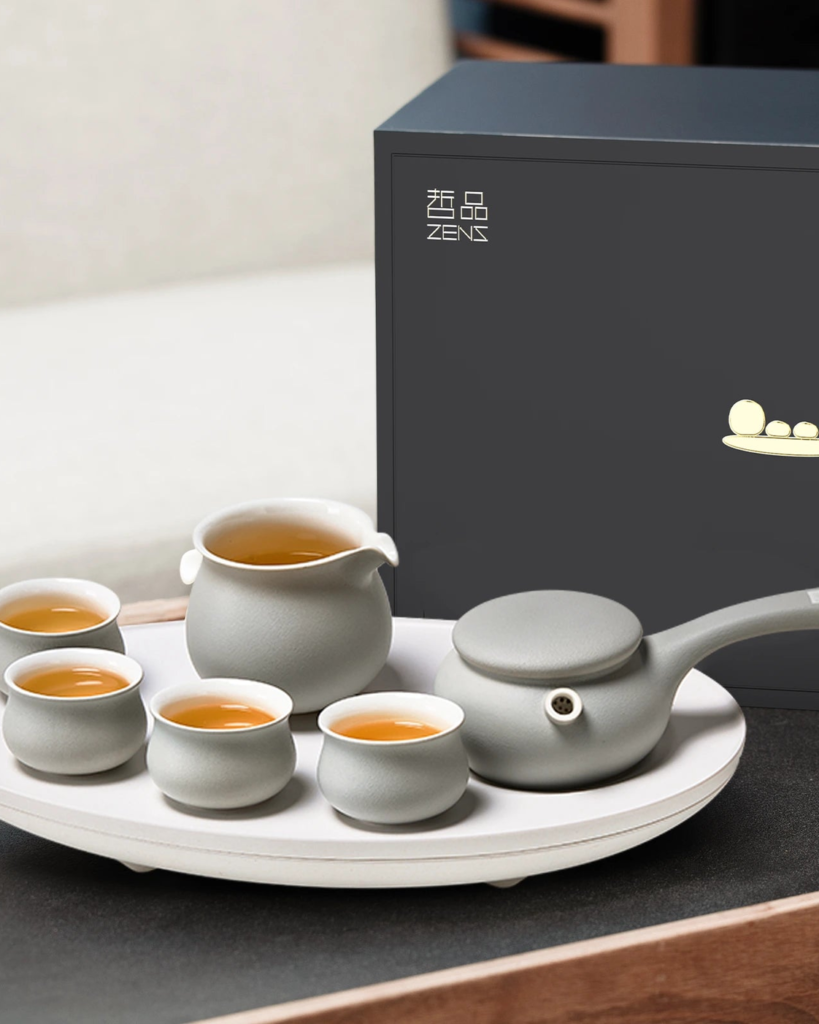
Where a brand uses separate corporate and retail sites, note both roles rather than treating them as interchangeable. ZENS, for instance, maintains a brand-facing site and a product storefront. The first helps establish identity; the second carries the active product record. Both should agree on the object being discussed.
3. Move from brand name to exact model
Trust in a brand should never replace model verification. Record the full product name, model code or suffix, selected colour or capacity, and the official URL. Check that the controls, ports, dimensions and included parts match the version shown by the seller.
The Lofree Block Mechanical Keyboard is a useful example. Lofree’s current product page identifies a 98-key keyboard with two control knobs, a small status display and three connection methods. A listing that shows the same general shape but omits the layout, connection mode or configuration should not be assumed to describe the same package.
Suffixes matter particularly for electronics. Closely related products can differ in resolution, wireless support, battery, regional software or supplied accessories. A family photograph is not a specification sheet.
4. Read the product page as a dated record
Copy the facts that determine suitability: dimensions, materials, power input, battery, connection, compatibility, included parts and stated operating limits. Keep the date checked. Product pages change, and a dated record makes later corrections possible.
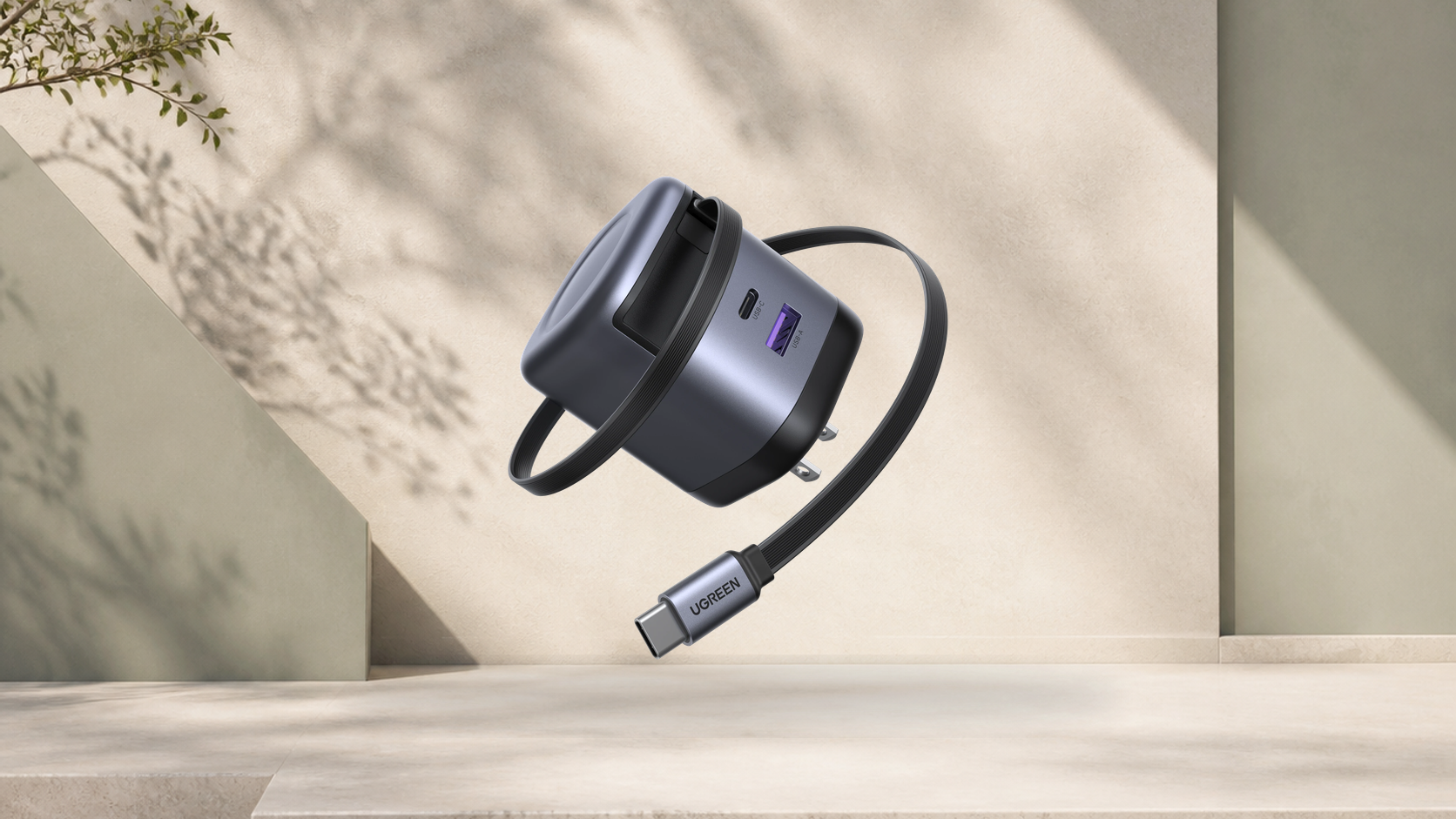
For the UGREEN Nexode 65W Charger with Retractable USB-C Cable, the relevant questions include total output, output allocation when several ports are used, plug format and the behaviour of the built-in cable. The brand’s general reputation cannot answer any of them. Only the exact model page and manual can.
When two official pages conflict, preserve the conflict. Prefer the source tied most closely to the exact model, then ask the manufacturer or seller for clarification if the difference affects safety or compatibility. Do not average specifications or choose the more attractive figure.
5. Look for manuals, downloads and support
A current manual or support page is often more useful than promotional copy. It can reveal model codes, controls, maintenance, charging requirements, operating temperatures and warnings that do not fit on a sales page.
Support also shows whether the product depends on software. The NIIMBOT B21 Pro works as a system: label width, media sensing, phone or computer connection and the current application all shape what it can do. A buyer should verify the relevant app store, operating-system support, account region and compatible consumables before treating the hardware as complete.
A live download page does not guarantee long-term support. It does provide evidence that the brand currently publishes a route for setup or maintenance.
6. Separate manufacturer, seller and service provider
The official brand may design or manufacture the object while a regional storefront, distributor or marketplace seller processes the transaction. Write down the seller name, return address, warranty terms and service contact for the actual purchase route.
This distinction is essential when an international site links to local retailers. A product can be authentic while the warranty remains regional. Conversely, a familiar marketplace storefront does not become the manufacturer merely because it uses official photographs.
Do not infer international delivery, local repair or replacement parts from the existence of an English-language page. Confirm the destination and current channel at the time of purchase.
7. Treat awards and collaborations as specific claims
Design awards can help identify a product’s history, but they should be recorded with the product name, award body and year. A brand-level wall of logos does not prove that every current object received every award.
The same applies to collaborations. Check whether the collaboration belongs to the exact item, whether it is current and whether it changes only the surface treatment or also the specification. Avoid turning a limited edition into a general description of the brand.
8. Use materials precisely
Material descriptions should stay close to what the source establishes. “Aluminium body,” “porcelain” and “PBT keycaps” are useful identity records. They do not, by themselves, prove durability, comfort, sustainability or performance.
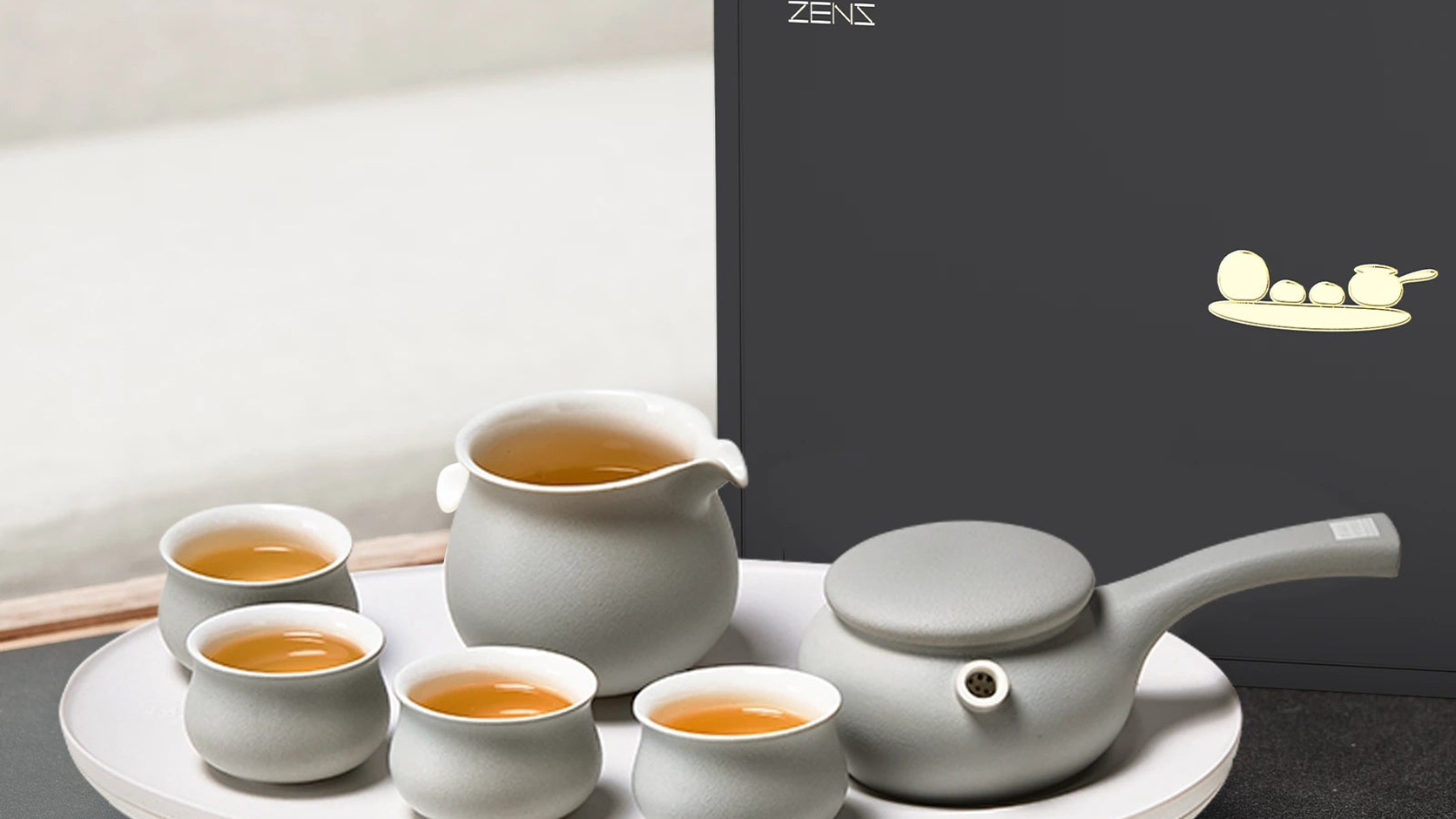
The ZENS Contemporary Kyusu Teapot Set can be verified through its current product page as a defined set with a side-handle teapot and associated pieces. Questions about handling, pouring balance, glaze durability or fit inside a particular cabinet still require physical use and measurement.
For environmental claims, look for a stated feedstock, process or assessment. “Eco-friendly” without a defined basis should not be repeated as a fact.
9. Check powered-product and regional limits
For a product with a battery or power input, verify the exact model’s battery type and capacity, charging input, supplied cable or adapter, regional plug, wireless bands, ingress-protection statement and safety limitations. Do not transfer a specification from a visually similar version.
Charging power is especially easy to oversimplify. A headline maximum may apply to one port under one input condition. Multi-port allocation, cable rating and the connected device can change the result. Manufacturer figures should remain attributed until independently measured.
10. Build a compact brand record
- Identity: public brand name, stated company name and official domain.
- Scope: the product categories the brand currently presents.
- Exact object: model, suffix, variant and official product URL.
- Documentation: manual, downloads, support and current contact route.
- Transaction: seller, destination, returns and regional warranty.
- Compatibility: dimensions, power, software, consumables and accessories.
- Claims: which statements are facts, manufacturer positions or still unverified.
- Date: when each source was checked.
Verification is narrower than endorsement
A verified record does not mean that every product from the brand is recommended. It means the identity, exact model and current sources are clear enough for a reader to make a better decision. That narrower standard is more useful than a badge of general trust.
Start with the brand, but finish with the object and the purchase route. A coherent design language may attract attention; model identity, compatibility and support determine whether the product belongs in a real home, desk or travel kit.