
A good gift is not simply an attractive object. It is an object that can enter another person’s routine without creating unnecessary work, uncertainty or incompatibility. That distinction matters when choosing from a design-led Chinese brand, where a compelling photograph may reveal the form but not the exact size, maintenance, software dependency or regional purchase route.
This guide provides a practical selection method using current ChinoMuse records. It is not a ranking, and ChinoMuse has not physically tested the featured products. The aim is to narrow a decision through verifiable details before style takes over.
1. Start with the recipient, not the category
Begin by writing down what the recipient already does. Do they write by hand, repair small objects, brew tea, organise a home office or label storage? A gift becomes useful when it supports an existing practice or a clearly expressed intention. It becomes clutter when it asks the recipient to adopt a new system only because the object photographs well.
A stationery gift suits someone who already carries a notebook. A tea set is more specific: it assumes a way of preparing, serving and cleaning. A modular tool system may be welcome for a person who repairs electronics, but excessive for someone who only needs an occasional household screwdriver.
The recipient question is therefore precise: what action will this object make easier, and how often does that action occur?
2. Set a friction budget
Every gift introduces some friction. A pen needs refills. A teapot needs cleaning and storage. A powered product needs charging, compatible accessories and possibly an application. Decide how much setup the recipient is likely to accept.
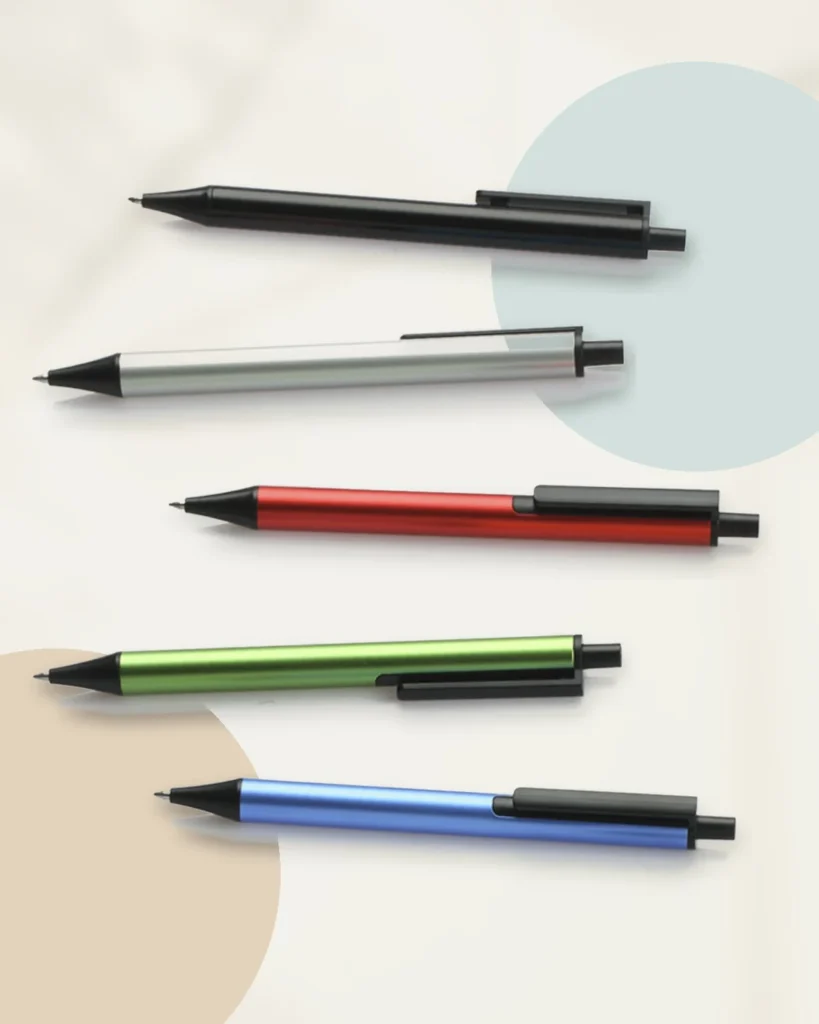
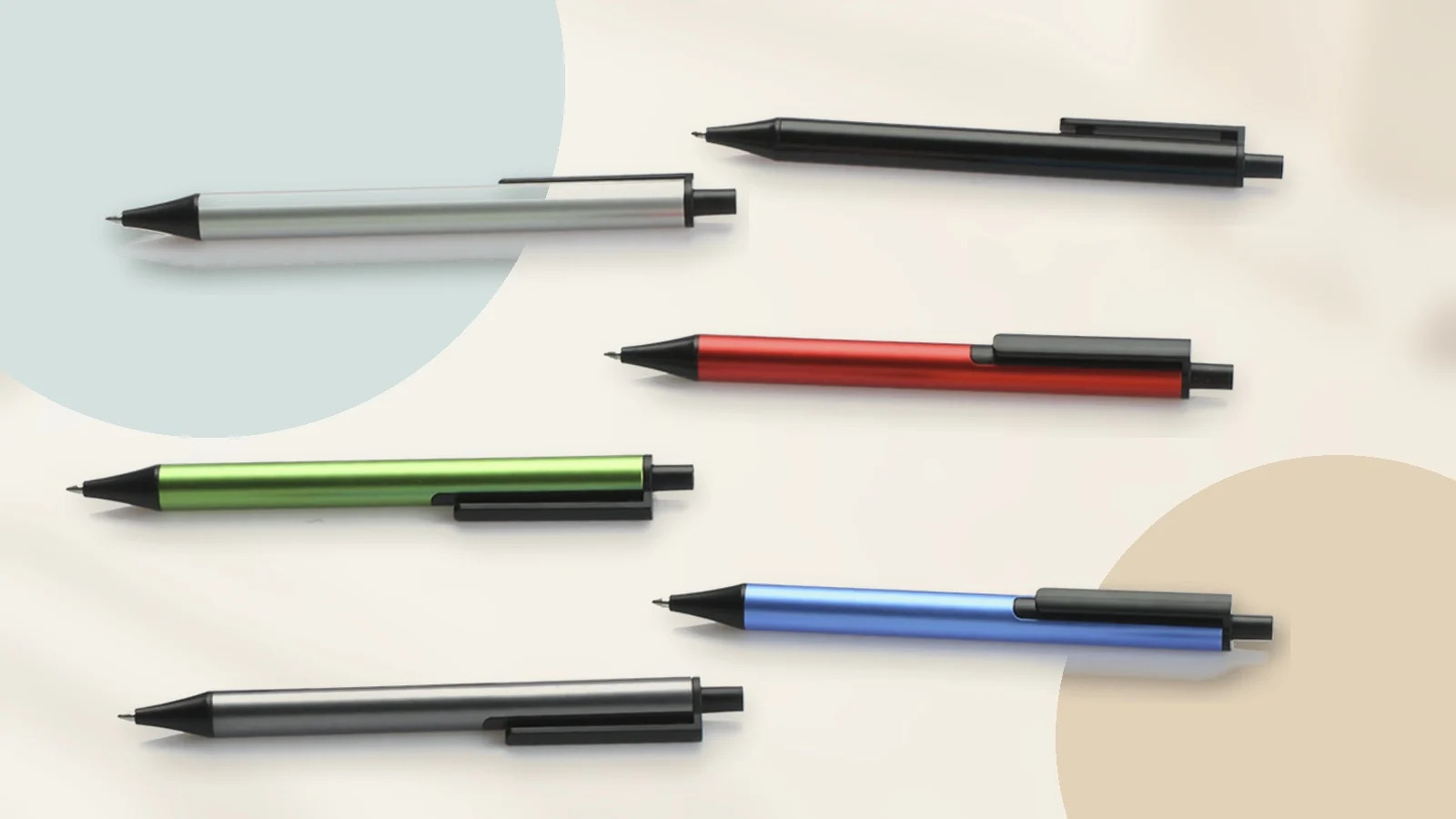
The KACO TUBE Aluminum Gel Ink Pen has a comparatively narrow setup burden: verify the refill, colour and package, then it can join an existing writing kit. The NIIMBOT B21 Pro is a system rather than a self-contained object. Its value depends on current software, compatible label media, connection method and the recipient’s willingness to keep consumables available.
Neither is inherently the better gift. They ask different amounts of the person receiving them.
3. Verify the exact object and package
Record the exact product name, model code or suffix, colour, dimensions and the official product URL. Then check what the active seller includes. A family photograph may show accessories or colourways that are not part of one package.
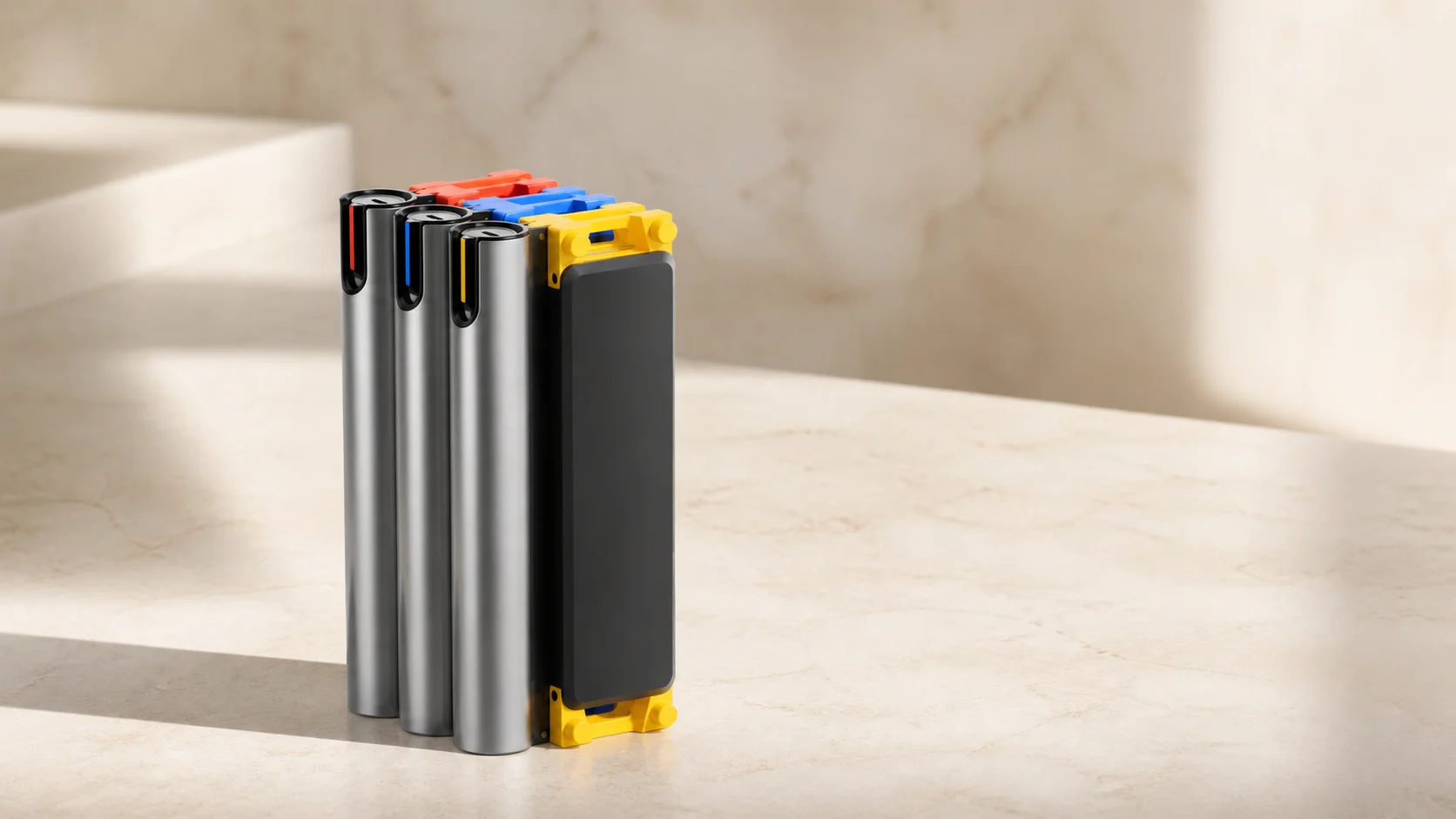
This is especially important for HOTO’s SNAPBLOQ Modular Precision Tool System. The official system spans screwdriver, mini-drill and rotary-tool modules. Before gifting it, confirm the selected kit, modules, bits, charging accessories and regional version. “SNAPBLOQ” identifies the system; it does not by itself identify every item in the box.
Preserve any difference between a manufacturer page and a storefront. Do not resolve a conflict by choosing the more generous list.
4. Check size in the recipient’s real space
Gift photography often removes scale. Use published dimensions to place the object beside something familiar: a notebook, shelf, drawer, kitchen cabinet or existing tea tray. Consider storage as well as use.
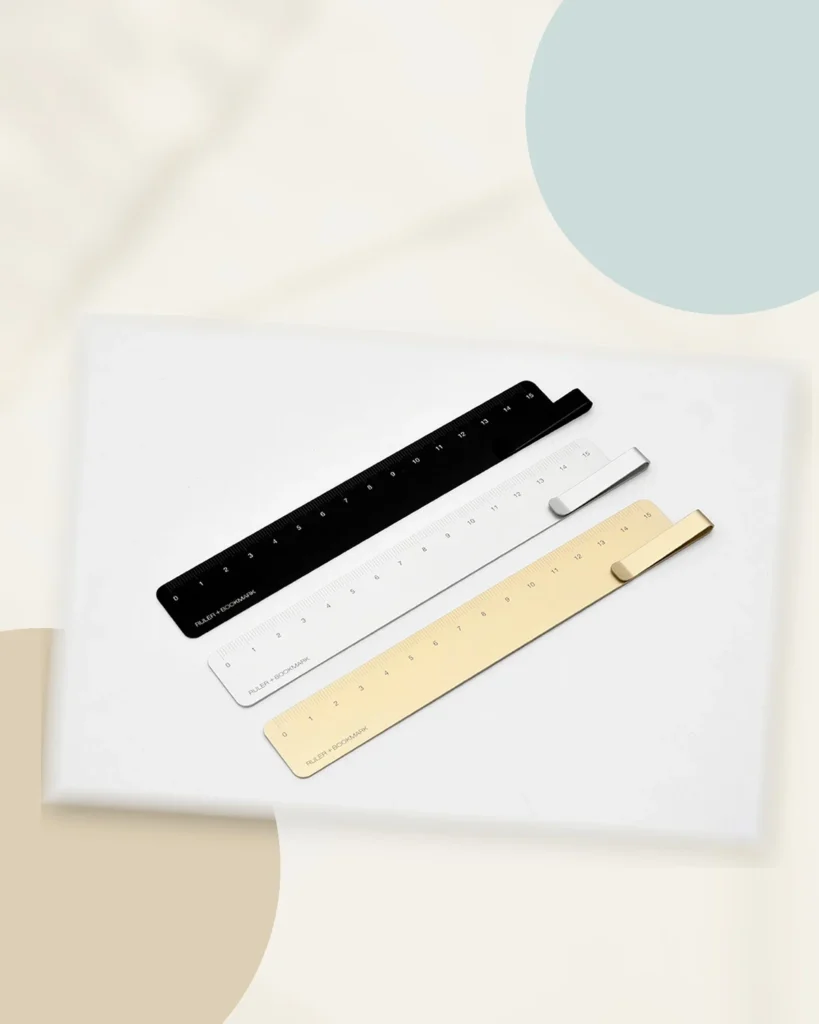
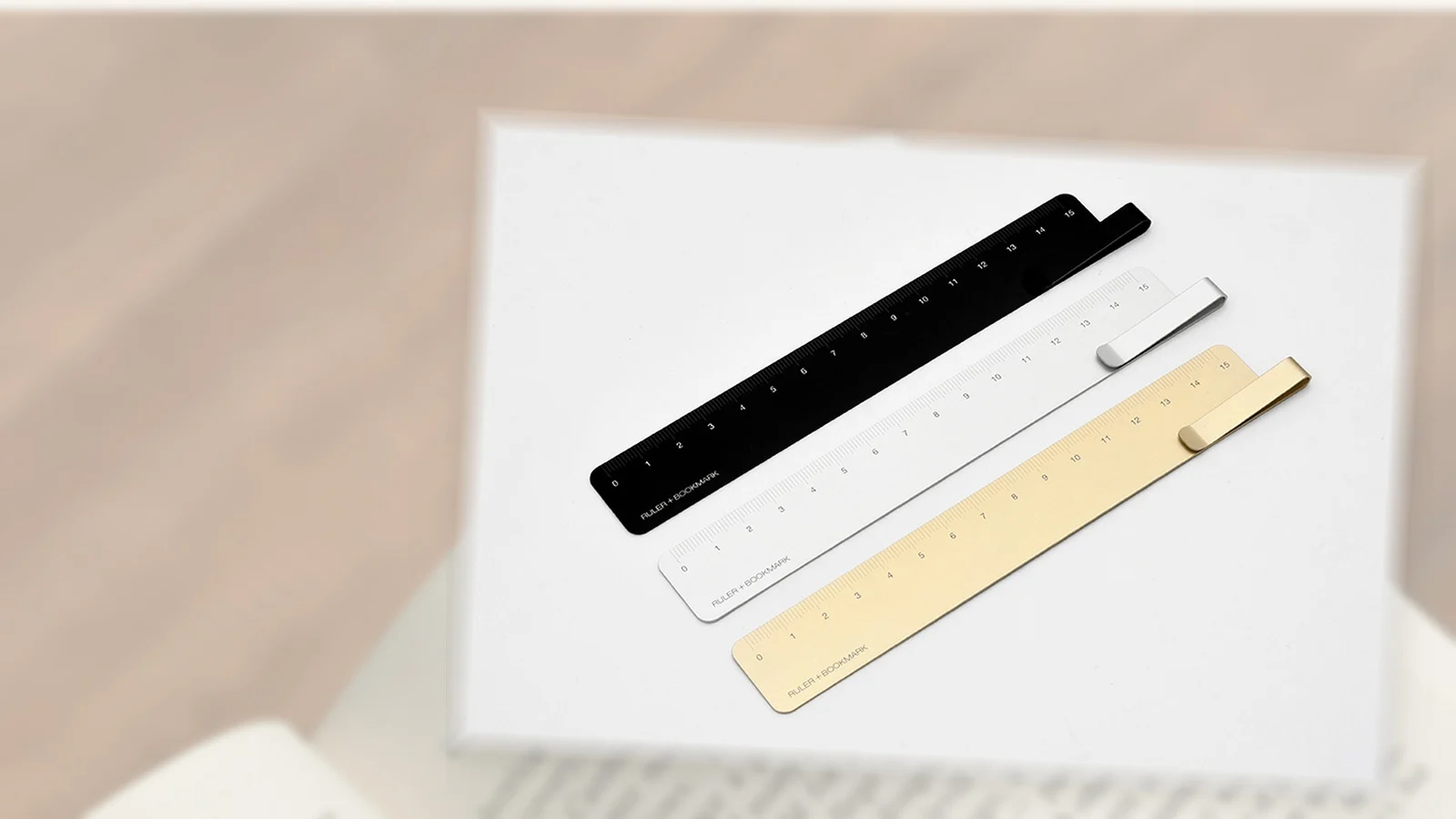
The KACO RUMA Aluminum Ruler + Bookmark is a 15cm desk and reading object rather than a full-length drafting ruler. Its compactness is part of its purpose. That makes it plausible for a reader or notebook user, but a poor substitute for a tool required to measure larger work.
For tableware, check capacity as well as external dimensions. A cup or pot can appear generous in isolation while serving a deliberately small volume.
5. Treat material as a care instruction
Material is not only a visual quality. It determines how an object should be handled. Porcelain can chip. Bamboo weaving should not be treated as if it were moulded plastic. An aluminium desk tool can mark or be marked by harder objects. Surface finishes may require manufacturer-specific cleaning guidance.
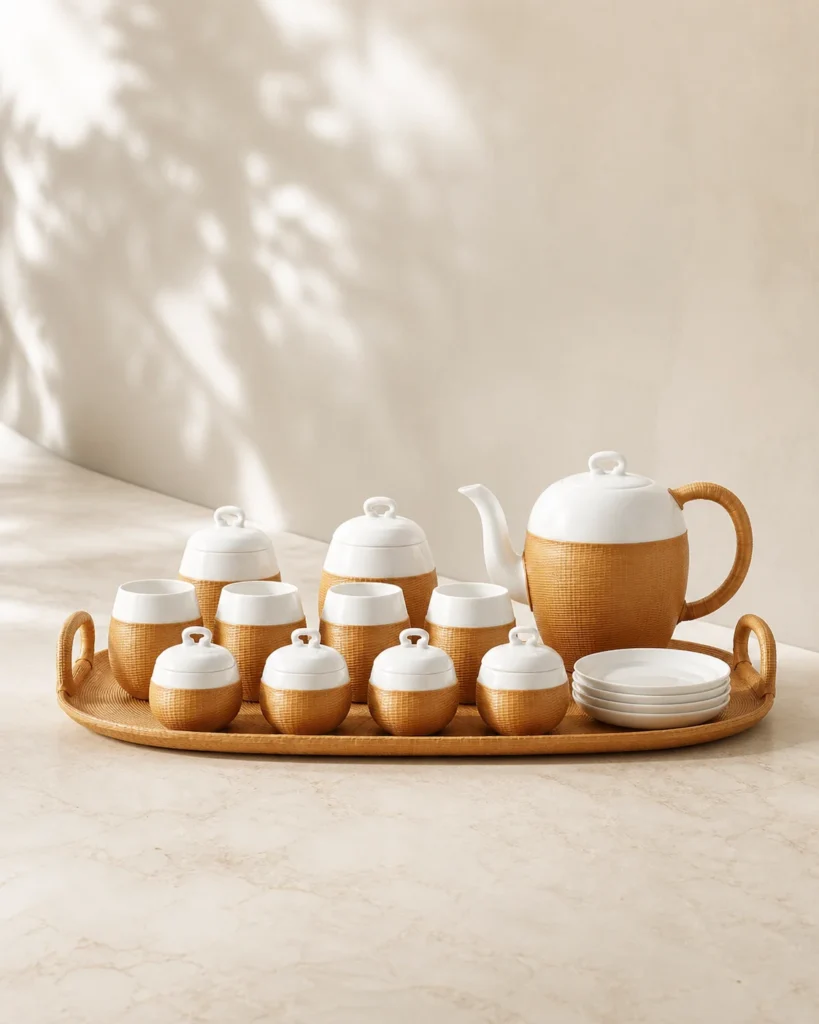
The SHANG XIA Bridge Porcelain and Bamboo Tea Set combines high-fired white porcelain with fine bamboo weaving. That material relationship is central to the set’s identity, but it also makes the gift more demanding than an everyday mug. The recipient needs space, a compatible tea practice and a willingness to care for multiple materials.
Do not convert a material name into an unsupported promise of durability, sustainability or comfort. Keep the claim as narrow as the source.
6. Match the gift to a use pattern
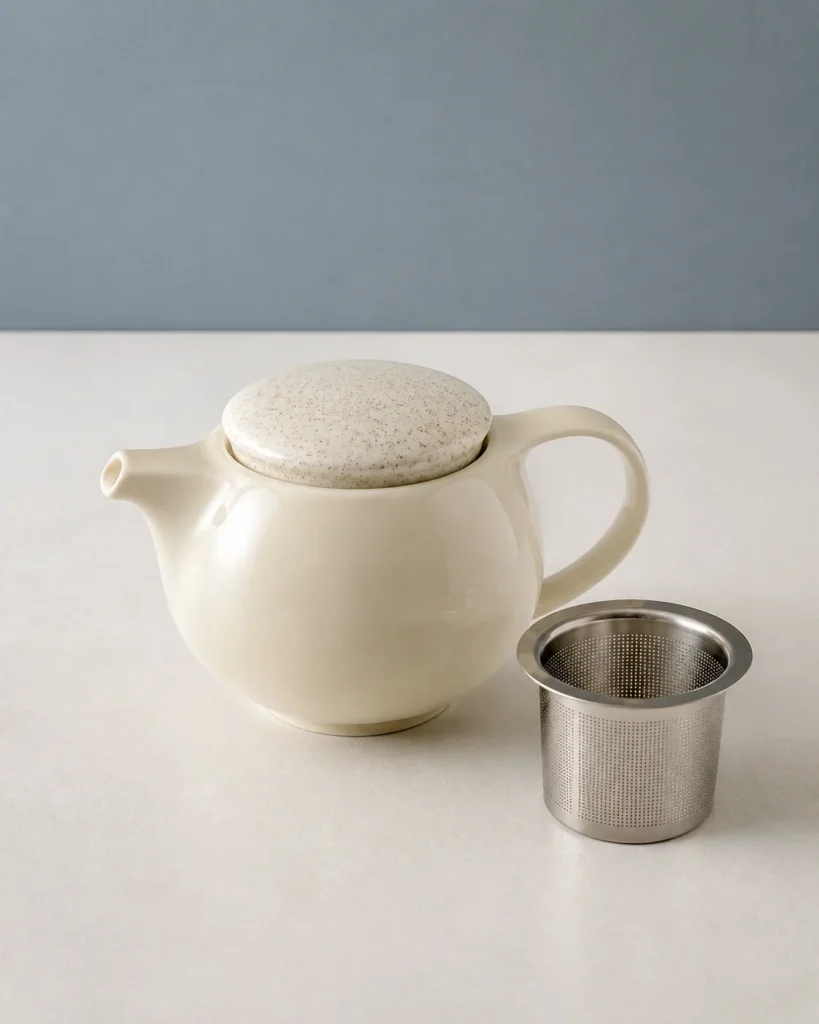
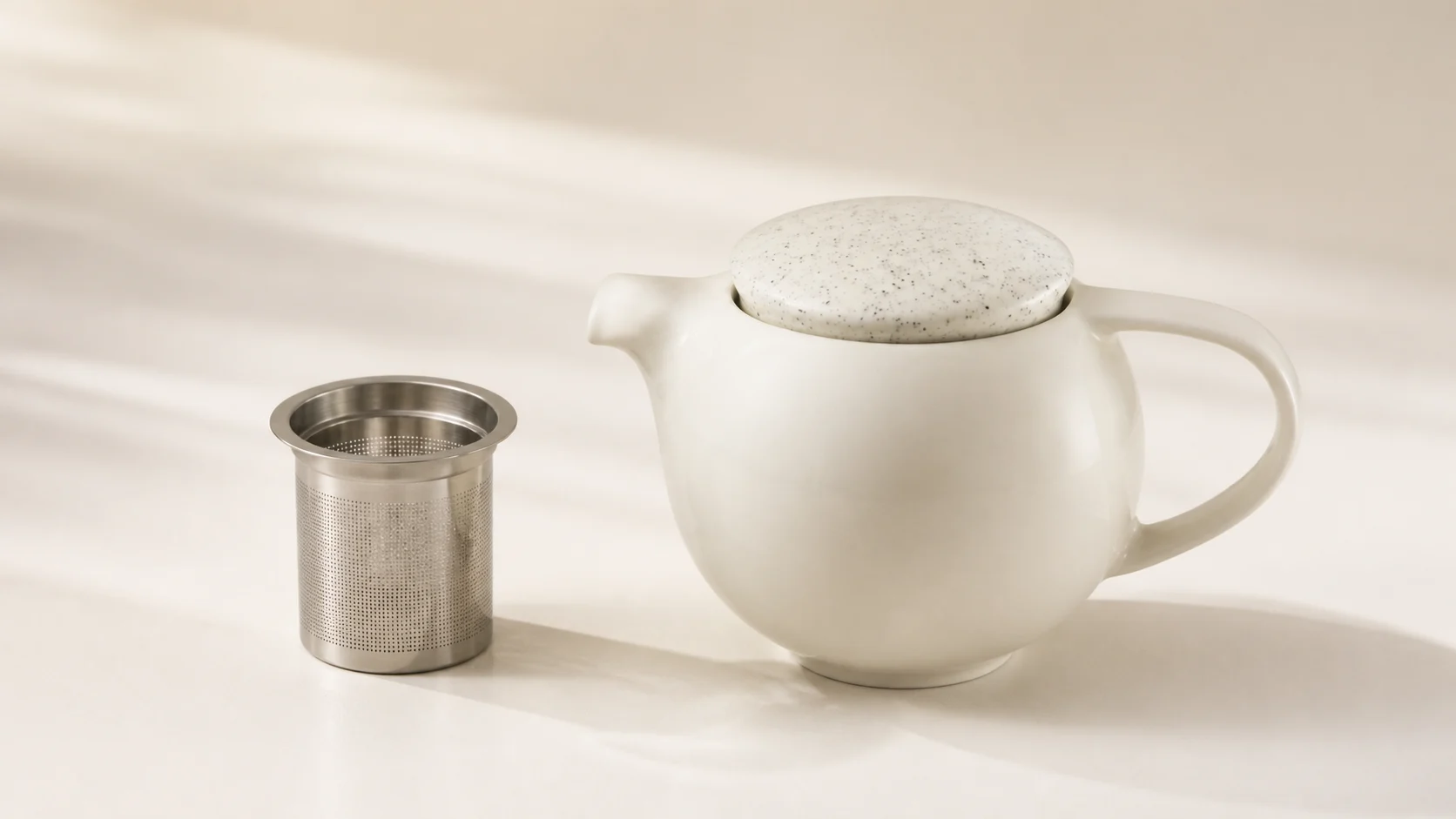
Broad gift categories are less useful than recurring situations. For a person who marks passages and takes notes, KACO’s TUBE and RUMA create a coherent writing-and-reading pair. For someone who prepares loose-leaf tea, the Loveramics Pro Tea 400ml Teapot with Infuser provides a more focused brewing object than a decorative tea assortment.
For a maker or repair-minded recipient, SNAPBLOQ may suit a modular workspace. For a person managing pantry containers, cables or studio inventory, the NIIMBOT B21 Pro may suit an established organisation habit. The use pattern should explain the choice in one sentence without relying on “premium,” “iconic” or “must-have.”
7. Check maintenance and consumables
Ask what must be replaced, washed, charged, updated or stored. Consumables can turn a thoughtful gift into an obligation when they are region-specific or difficult to source.
For a label maker, verify label width, sensing method, compatible media and current software route. For a pen, verify the refill rather than assuming any standard cartridge will fit. For a powered tool, verify the battery, charging input and included cable. For tea ware, look for care instructions and confirm whether individual pieces can be replaced.
A useful gift note can include the exact refill, label roll or support page. That small record is often more valuable than elaborate wrapping.
8. Confirm the regional purchase route
An English-language official page does not prove delivery, warranty or service in every country. Record the seller that will process the order, the destination, return address, warranty terms and the source of replacement parts or consumables.
Separate the brand from the transaction. A manufacturer can provide the authoritative product record while a regional retailer provides the actual return and warranty route. If the route is unclear, do not present international availability as established.
For powered products, also confirm plug, wireless, application and account-region requirements before purchase.
9. Avoid gifts that imply knowledge you do not have
Some objects depend on body size, taste, room dimensions, existing equipment or highly personal routines. Seating, wearable audio, fragrance, specialist tools and strongly styled home objects often need direct input from the recipient.
A gift can still be a surprise without being a guess. Ask about the activity, preferred colour, available space or current system while leaving the exact object undisclosed. When uncertainty remains high, a smaller accessory or an invitation to choose together may be the more considerate option.
10. Use a short gift decision record
- Recipient: the existing activity or stated need.
- Use: the action the gift should support.
- Exact object: model, variant, dimensions and package contents.
- Friction: setup, software, charging, consumables and maintenance.
- Material: handling, cleaning and storage requirements.
- Purchase route: seller, delivery, returns and regional warranty.
- Evidence: official product and support pages with the date checked.
Choose for fit, then for expression
Design gives a gift character, but fit gives it a place in someone’s life. Once function, size, care and purchase route are clear, colour, material and visual language can carry the personal meaning.
The strongest choice does not need the largest box or the broadest feature list. It should show that the giver noticed how the recipient works, reads, repairs, organises or prepares tea—and selected one exact object that belongs there.