

Headphones for work are often discussed as if one model should solve every situation. In practice, a quiet home office, a shared studio, a commute and a day of video calls impose different requirements. The useful first question is not which headphone sounds best. It is what the listener must hear, what nearby people must not hear, how calls will be handled and what source will drive the headphone.
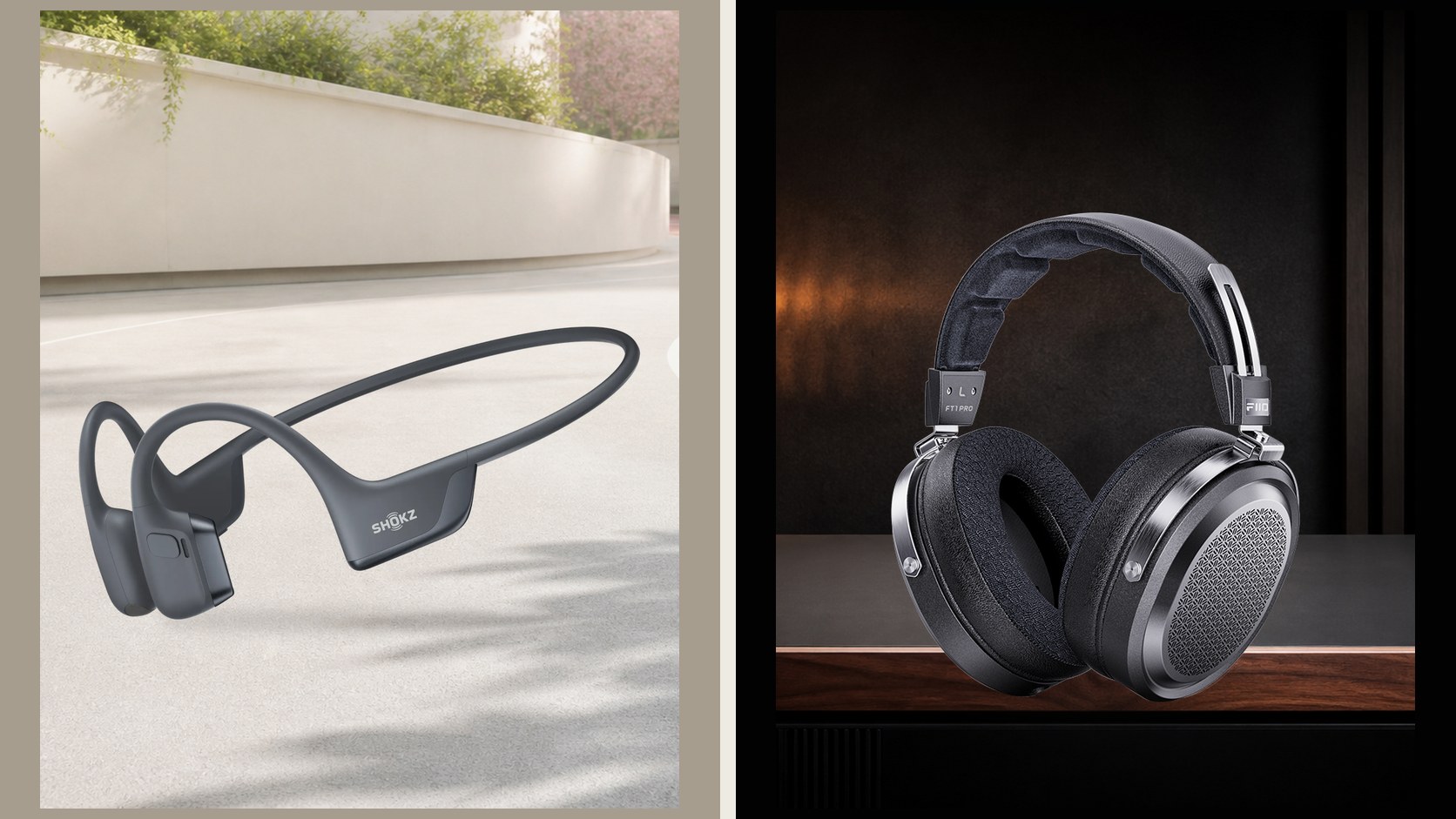
This guide compares two deliberately different approaches through public manufacturer records: the open-ear Shokz OpenRun Pro 2 and the open-back planar-magnetic FiiO FT1 Pro, supported by FiiO’s K17 desktop source and JM21 portable player. It is not a listening test or product review. The purpose is to build a verifiable decision framework and show where specifications end and personal fit begins.
1. Start with the work setting
List the places in which the headphone will actually be used. A private room allows leakage that would be disruptive in a library. An office with frequent interruptions rewards environmental awareness. A long desk session can support a larger wired system, while moving between rooms makes a lightweight wireless design more practical.
Also note who shares the space. Open-back headphones deliberately allow sound to pass through the ear cups and provide little acoustic isolation. Open-ear models leave the ear canal unobstructed, but playback can still be audible nearby at higher levels. Neither design should be chosen from a product photograph alone.
2. Understand what open-ear changes
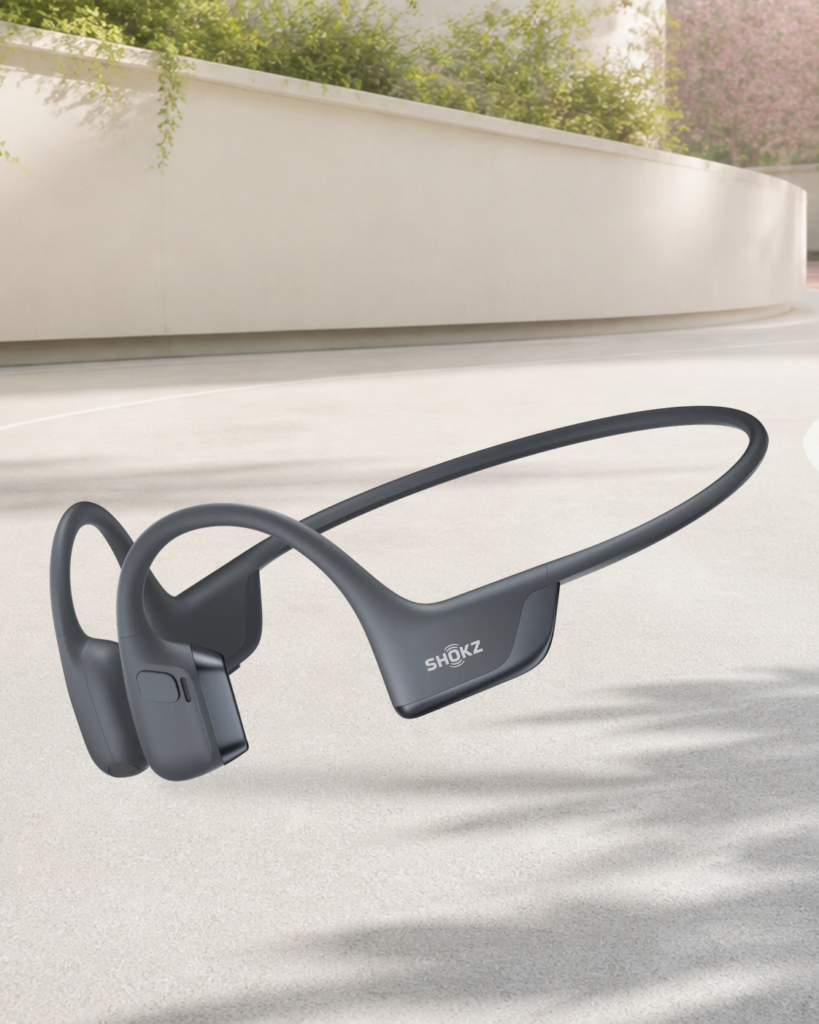
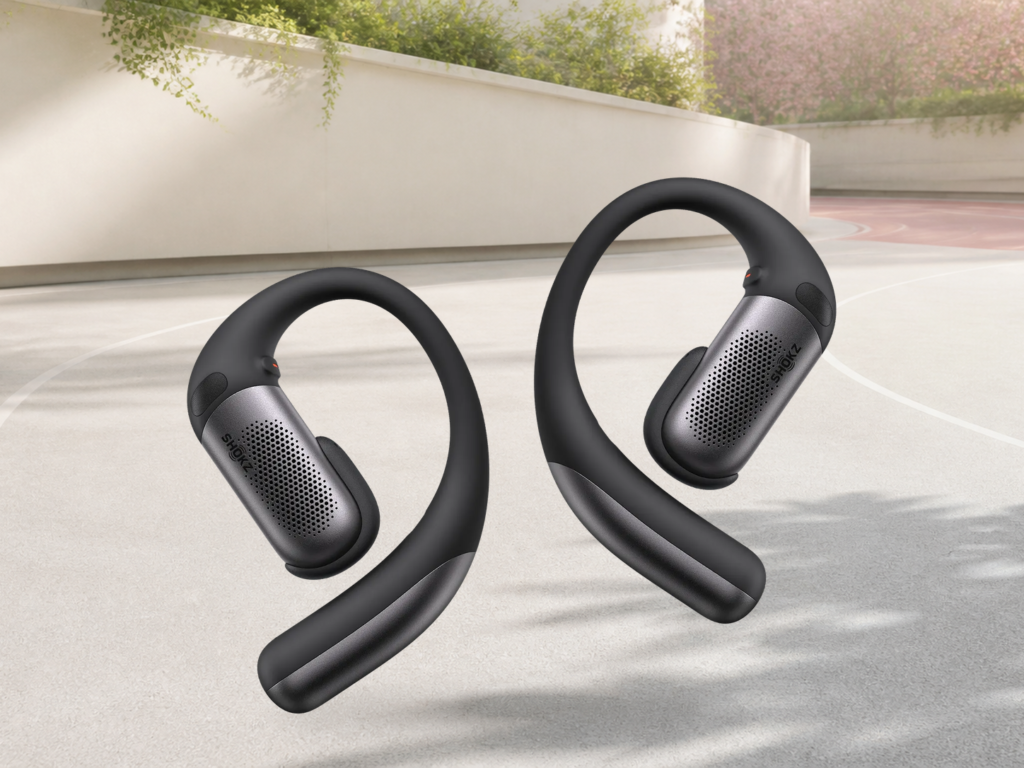
Shokz presents OpenRun Pro 2 as an open-ear neckband using separate bone-conduction and air-conduction drivers. The ears remain physically uncovered, which can make spoken interruptions, traffic cues and room sounds easier to notice than with a sealed in-ear or over-ear design.
That awareness is not the same as guaranteed safety. Playback level, environment and individual hearing still matter. The design also does not establish comfort for every head shape. The neckband, contact points and fit should be checked against the intended movement, clothing and work posture.
3. Understand what open-back changes
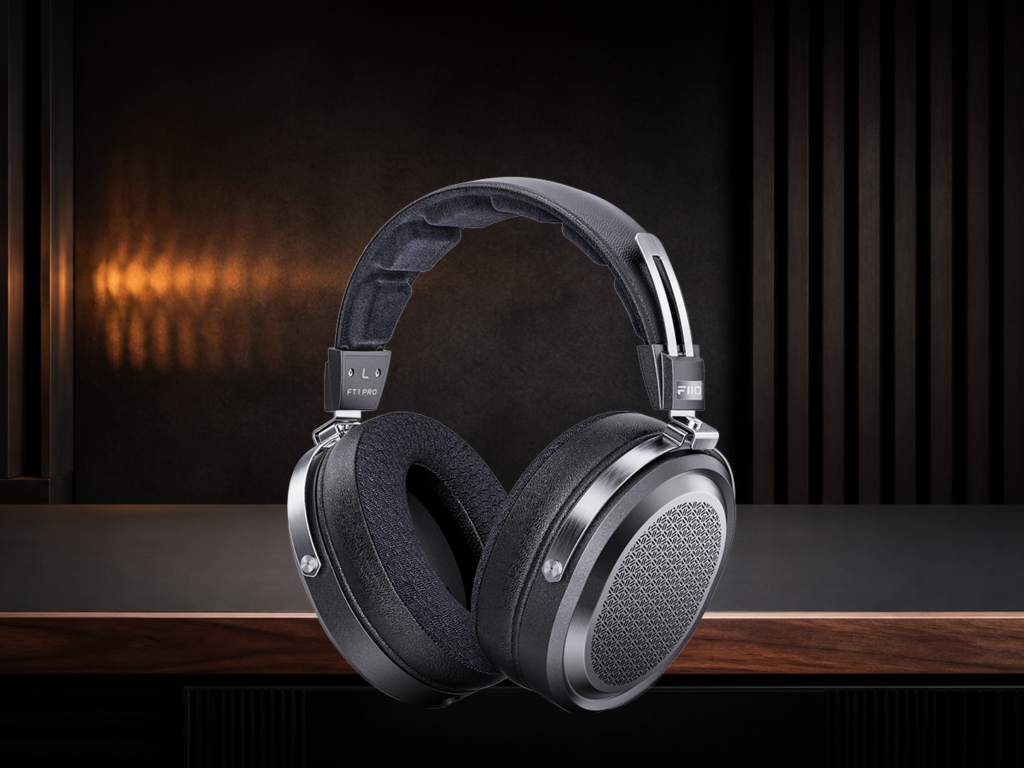
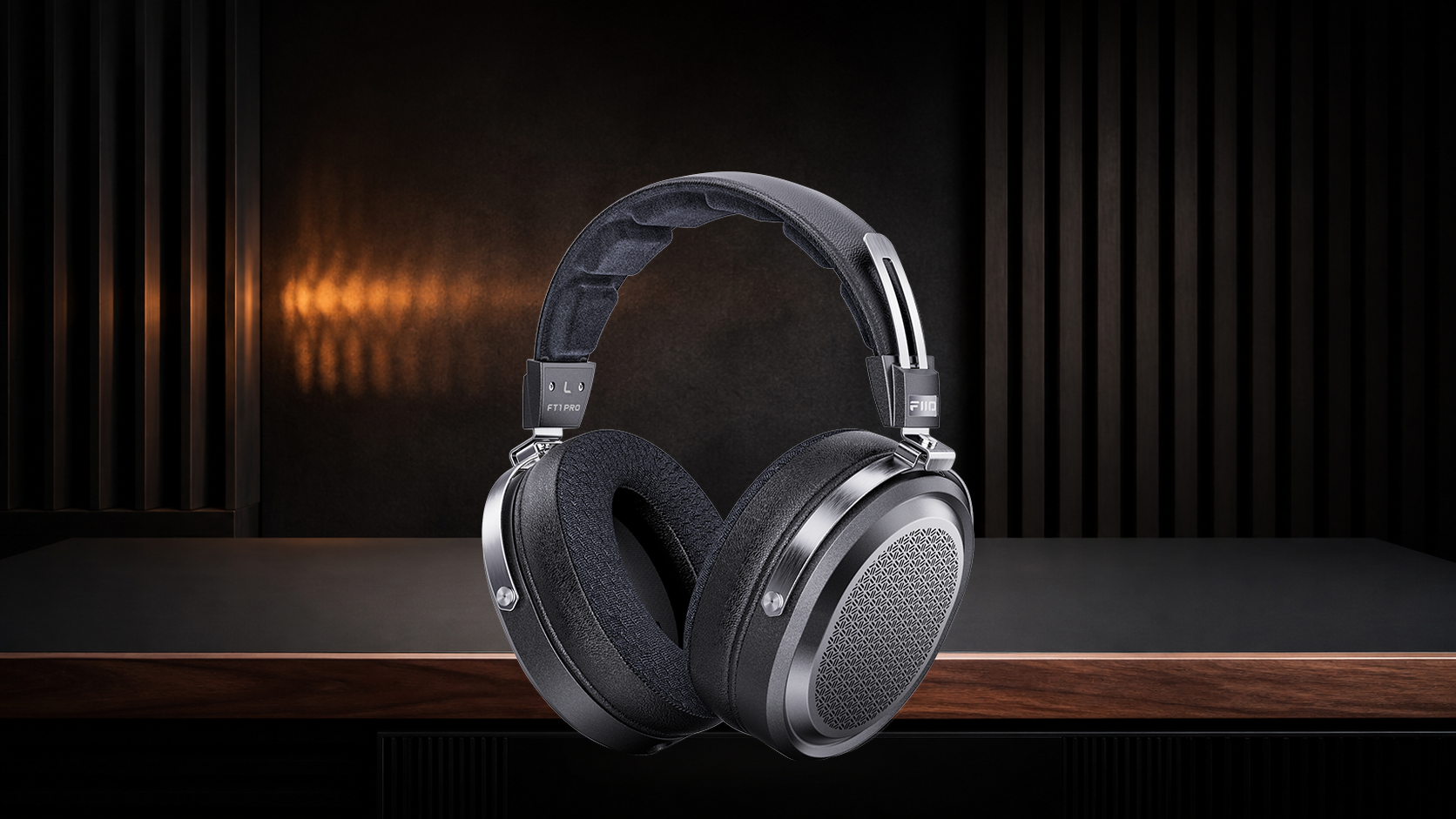
FiiO identifies FT1 Pro as an open-back planar-magnetic headphone. Its public specification lists a 95 by 86 millimetre driver, a thin PET diaphragm with sapphire and aluminium dual coating, 20-ohm impedance, 95dB per milliwatt sensitivity at 1kHz and a stated frequency range of 7Hz to 40kHz.
Those figures establish design and electrical context, not an independently verified listening result. The open back allows the driver to interact freely with the surrounding air, but it also leaks programme audio and blocks little room noise. That makes it a private-desk option rather than a default choice for shared transport or quiet communal rooms.
4. Treat awareness, isolation and leakage as separate
Awareness describes how easily external events remain perceptible. Isolation describes how much outside sound is reduced. Leakage describes how much playback escapes to other people. These are related but not interchangeable. An open-ear design can support awareness while still producing audible leakage. An open-back headphone can reveal room sound while also sending more programme audio outward.
Before buying, decide which failure matters most. Missing a colleague may be costly in an active office. Disturbing a nearby person may be unacceptable in a library. Hearing an air conditioner may reduce concentration in a home office. The answer can point to open-ear, open-back or a sealed alternative.
5. Do not infer comfort from weight alone
FiiO lists FT1 Pro at approximately 374 grams. A number can help compare portability, but it cannot predict clamp, pad temperature, pressure distribution or long-session comfort. Shokz’s neckband design moves weight and contact to different points, yet head shape, glasses and hair can change the experience.
Check return conditions where possible and look for exact fit guidance from the active regional seller. A comfortable ten-minute fit may not remain comfortable through a full working day. Without physical use, ChinoMuse does not label either design comfortable or uncomfortable.
6. Separate call hardware from listening hardware
A work headphone may spend more time in meetings than in music playback. Confirm whether the exact model includes microphones, how mute and call controls operate, which computer and phone profiles are supported and whether a wired connection carries microphone audio. Do not assume that a headphone designed around high-fidelity wired listening is also a complete conference headset.
OpenRun Pro 2 includes physical controls and is positioned for wireless mobile use. FT1 Pro uses detachable audio cables with dual 3.5mm ear-cup entries and supplied 3.5mm and 4.4mm connection options. The latter is a listening headphone; a separate microphone or computer audio arrangement may be required for calls.
7. Choose wired or wireless around workflow
Wireless reduces cable management and makes it easier to stand, move or switch rooms. Wired playback avoids Bluetooth pairing and codec negotiation, and it can integrate with a dedicated desktop source. The correct choice depends on behaviour rather than an abstract hierarchy.
For wireless use, verify multipoint behaviour, supported codecs, operating-system compatibility, microphone routing and whether USB provides audio or charging only. For wired use, verify connector type, cable length, desk routing and whether the source can provide the required output without inconvenient adapters.
8. Read impedance and sensitivity together
FT1 Pro’s published 20-ohm impedance may appear easy to drive, but impedance alone does not establish required power. FiiO also lists 95dB per milliwatt sensitivity and 112dB per volt at 1kHz. Source output, desired level, recording dynamics and available headroom all contribute to the practical result.
Do not convert a manufacturer’s maximum power figure into a promise of better sound. More output than necessary can create excessive level and hearing risk. The goal is a compatible, controllable range with the intended connection, not the largest number in a specification table.
9. Decide whether a desktop source is justified
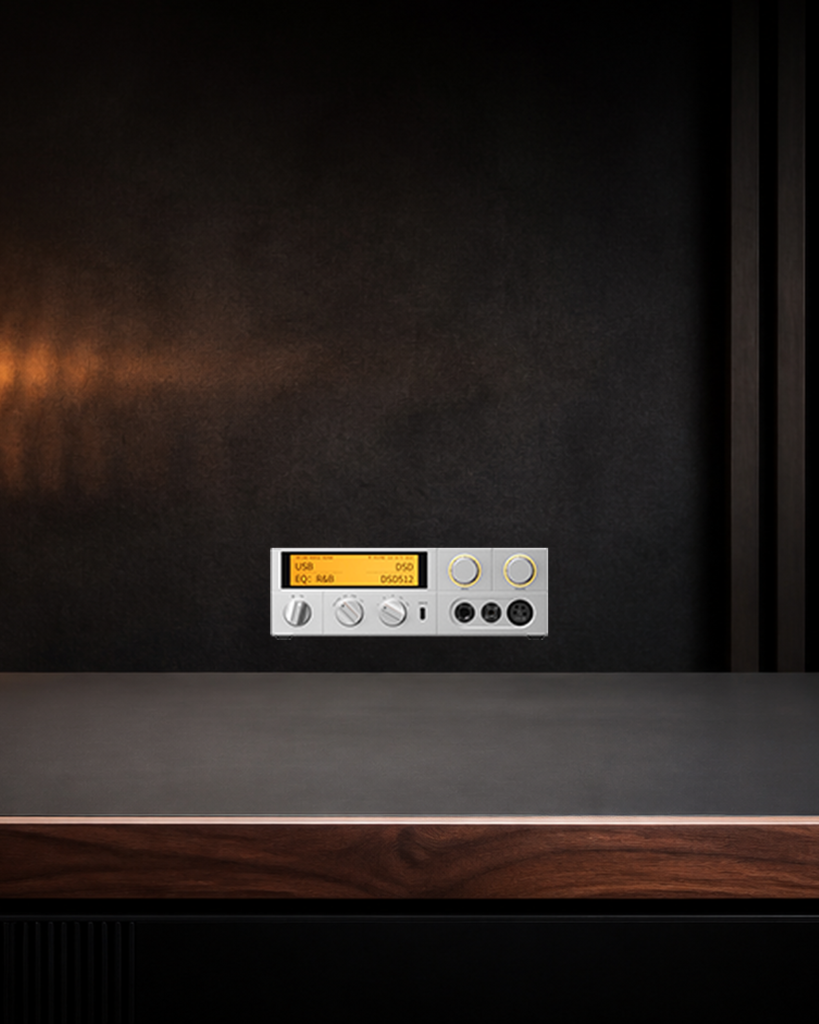
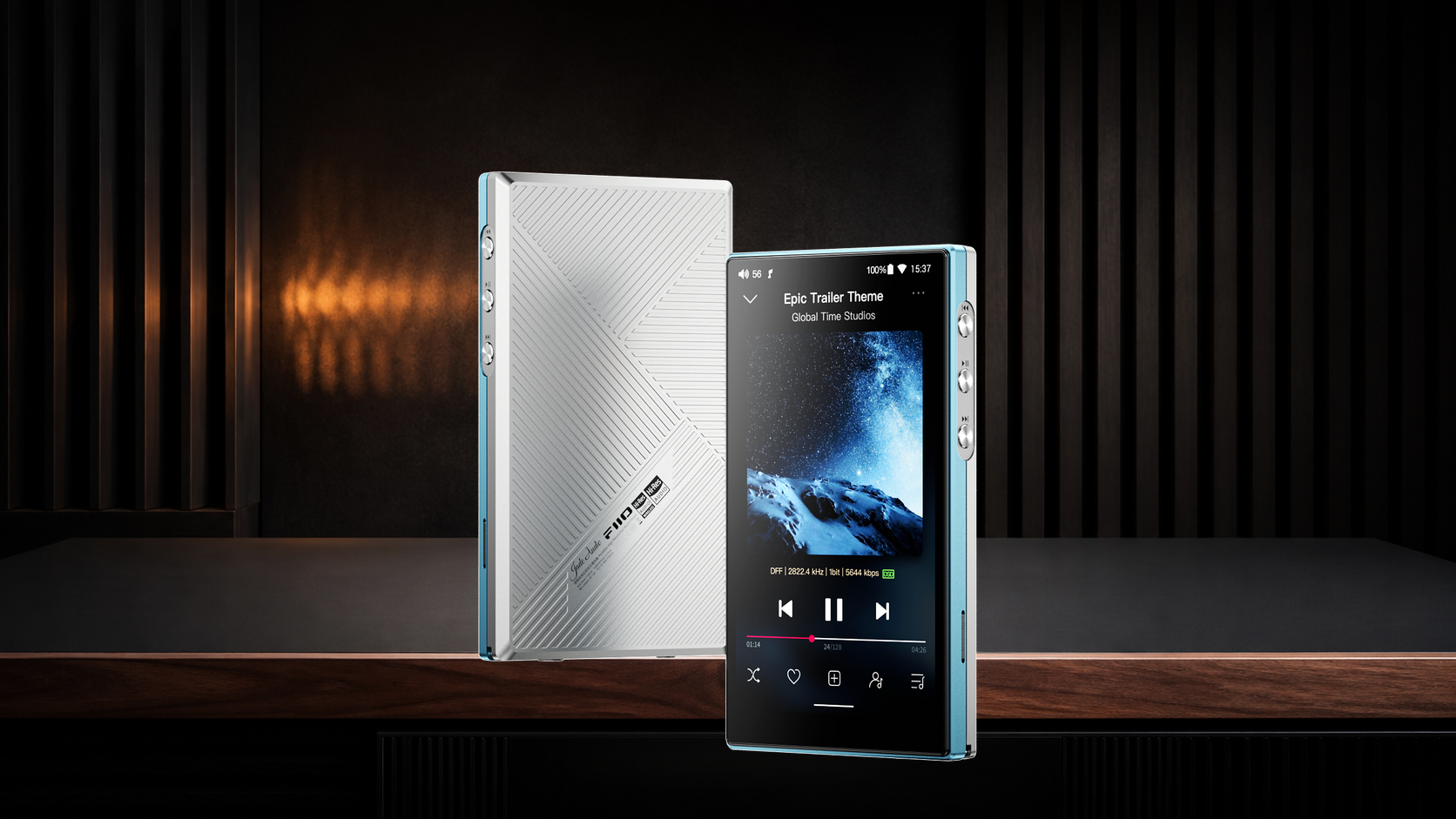
FiiO’s K17 is a desktop network DAC and headphone amplifier built around an AK4191EX digital stage and dual AK4499EX converters. The manufacturer lists a 3.93-inch display, 31-band parametric equalisation, dual-band Wi-Fi and multiple analogue and digital connections. It is approximately 244.6 by 213 by 66.8 millimetres and about 2.75 kilograms.
FiiO states up to 4000mW plus 4000mW under specified test conditions. That does not mean FT1 Pro needs the full output, nor that K17 is necessary for every desk. A desktop source is useful when its inputs, switching, volume control, equalisation and permanent placement solve real workflow needs.
10. Consider a portable source as a system choice
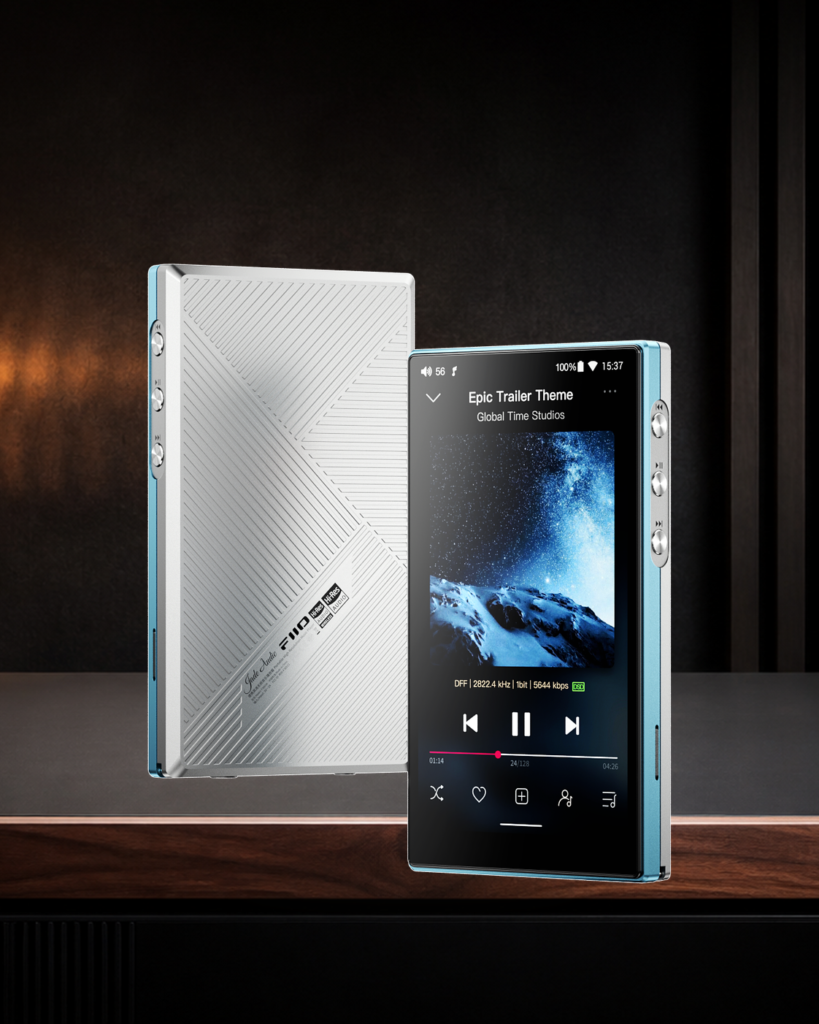
FiiO’s JM21 is an Android-based digital audio player using a Snapdragon 680 platform, dual CS43198 DACs and dual SGM8262 amplifier stages. FiiO lists a 4.7-inch 750 by 1334 display, 3.5mm and 4.4mm outputs, microSD expansion up to 2TB, dimensions of 120.7 by 68 by 13 millimetres and a weight of about 156 grams.
The checked public records show different memory and battery configurations, including 3GB/32GB and 4GB/64GB variants with different stated battery capacities. Confirm the exact regional version rather than combining specifications across pages. A portable player adds another charged device, but can separate listening from phone notifications and computer audio.
11. Check battery and charging by exact region
Battery runtime is highly dependent on volume, codec, calls, temperature and feature use. Regional product pages can also differ in bundled cable, firmware wording and charging information. The checked Shokz regional page identifies USB-C charging for OpenRun Pro 2, but current package and regional certification should be confirmed with the seller serving the destination.
For any powered product, record model, battery statement, input specification, included cable and environmental limitation from the same regional source. Avoid transferring one market’s runtime or ingress-protection claim to another version without matching evidence.
12. Build a role-based shortlist
- Open-ear mobile work: prioritise awareness, physical controls, call behaviour, fit and charging.
- Private listening desk: prioritise leakage tolerance, pad fit, cable routing and source compatibility.
- Shared quiet space: reconsider both open approaches if outward leakage or external noise will be disruptive.
- Hybrid day: decide whether one compromise is acceptable or whether separate call and private-listening tools are more efficient.
A shortlist should include the workflow problem each model solves and one limitation that could disqualify it. That is more useful than a single ranked score.
13. Verify the active offer before purchase
Confirm the exact model name, colour, region, included cables, connector, microphone capability, warranty entity and return route. For FiiO, match the headphone and source pages rather than assuming every balanced connector uses the same wiring or output. For Shokz, confirm the regional OpenRun Pro 2 package, firmware and charging information.
Price and availability can change quickly and do not transfer between countries. ChinoMuse does not sell these products and cannot confirm stock, delivery, support or warranty for a specific order.
14. Make the final decision from constraints
Choose OpenRun Pro 2 when an uncovered ear, mobility and direct control fit the work pattern, subject to individual fit and call requirements. Choose FT1 Pro when a private, quiet desk can accommodate an open-back wired headphone and its leakage. Add K17 or JM21 only when their inputs, portability, software and control functions solve a defined source problem.
Explore the related Shokz profile, OpenRun Pro 2 record, FiiO profile, FT1 Pro record, K17 record and JM21 record. Each separates manufacturer information from editorial interpretation and unresolved buying questions.