
A carry-on case looks simple until it has to pass an airline gauge, remain within a weight allowance, move through a crowded station and open inside a small hotel room. The useful buying question is therefore not which suitcase looks most premium. It is which combination of size, closure, access and organisation fits the routes you actually take.
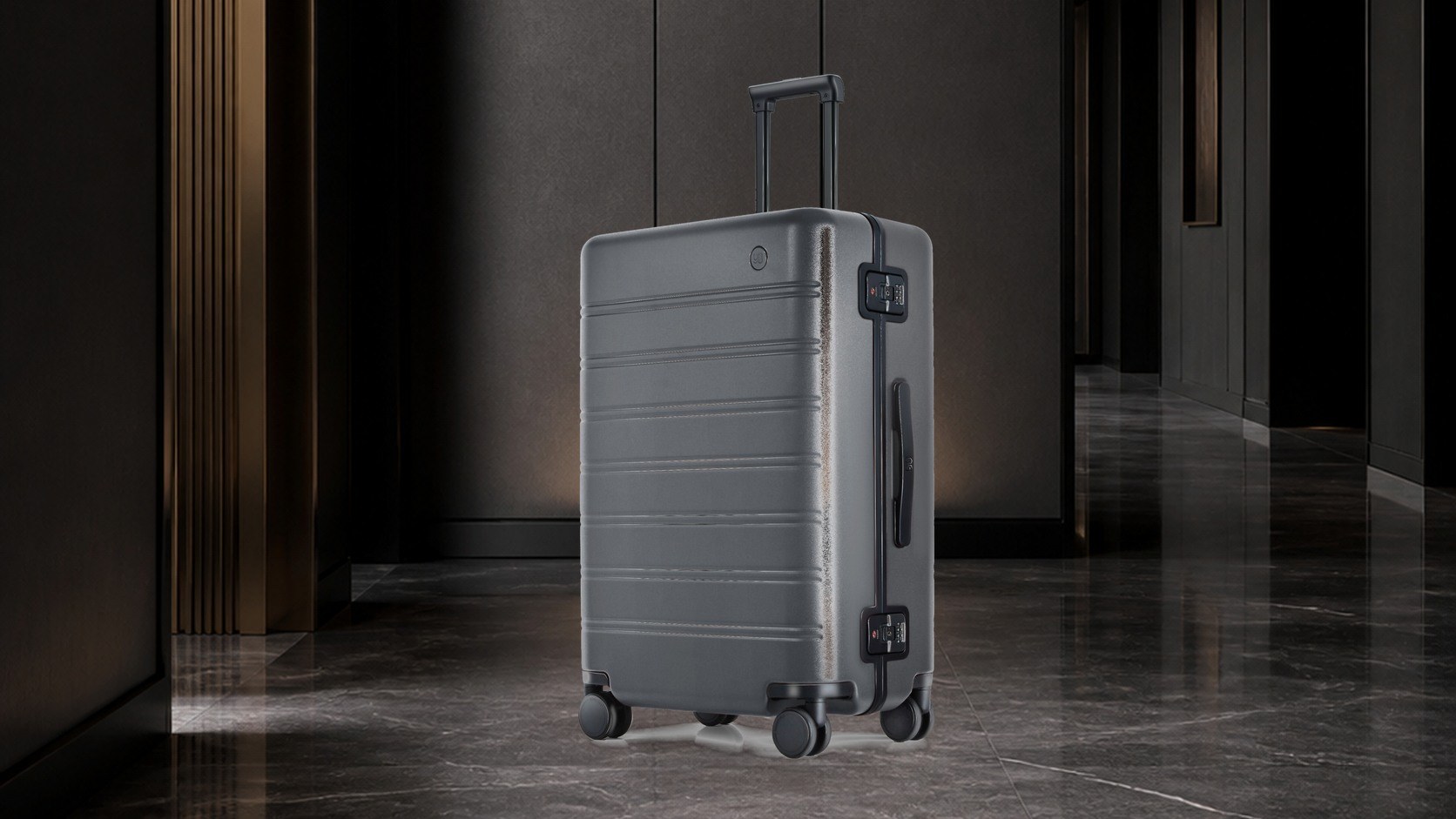
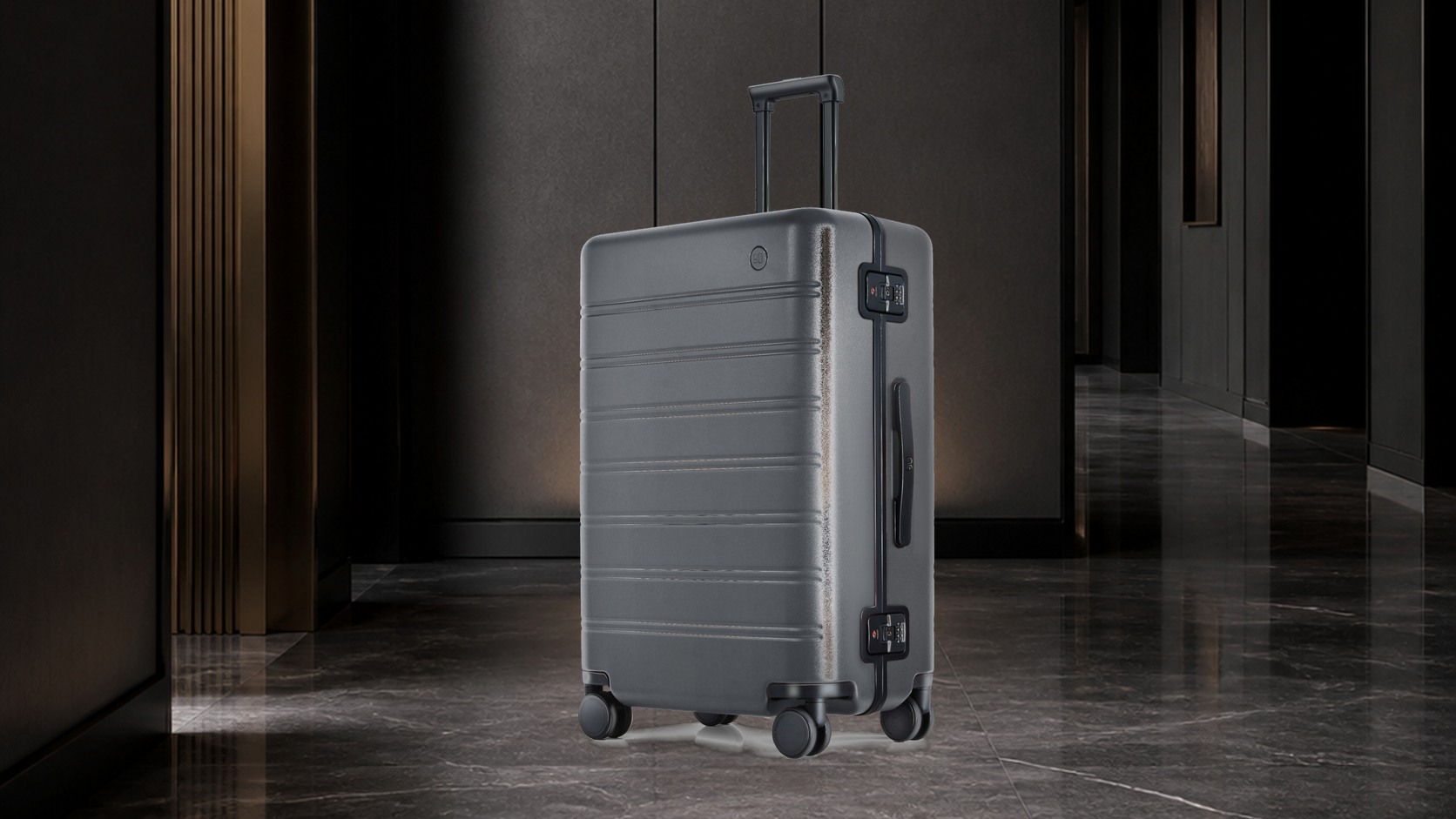
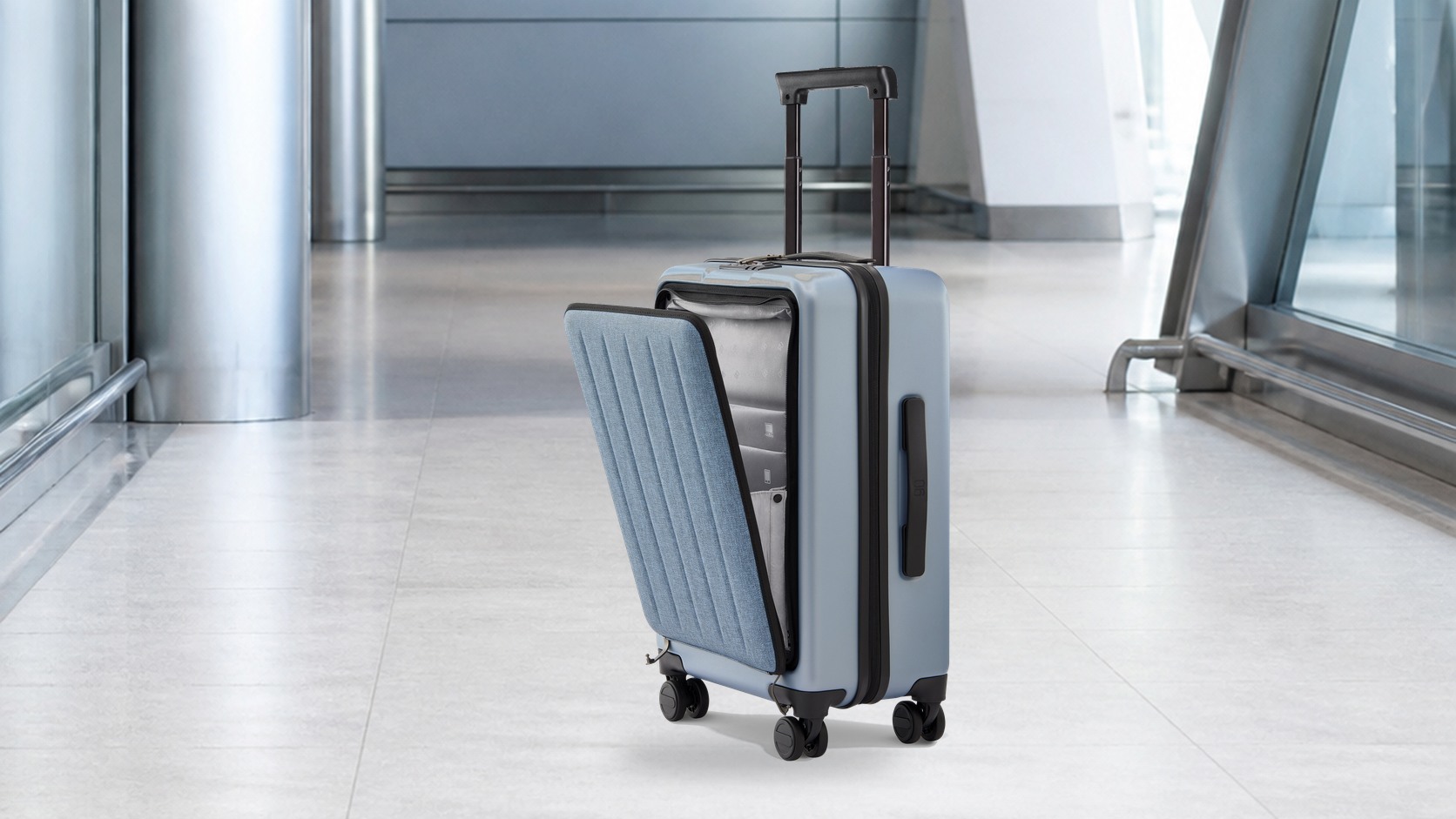
This guide uses three current NINETYGO records to illustrate different architectures: the zipped Danube Plus, the zipperless Manhattan Classic and the front-access Seine Carry-on Pro. It is not a hands-on test or a ranking. Manufacturer pages establish product identity and stated features; airline acceptance, long-term durability and individual handling still require separate confirmation.
1. Start with the airline, route and ticket
Write down the cabin-baggage limits for the airlines and ticket types you use most. A carrier may publish a maximum height, width and depth, but another may impose a combined dimension, a stricter weight limit or a smaller personal-item allowance. Connecting itineraries can be governed by the most restrictive segment.
Do not treat “20-inch” as a universal compliance mark. It is a retail size label, not a shared airline standard. Wheels, handles, feet and external pockets usually count in the measured envelope. Recheck the active airline page before each trip because rules and enforcement can change.
2. Compare external size with usable volume
External dimensions determine whether the case fits the gauge; usable internal volume determines what it carries. Thick shells, aluminium frames, recessed wheels, dividers and front compartments all consume space differently. Two cases with similar outer measurements can therefore pack very differently.
Use the exact regional product page and record the stated dimensions in the same unit. If a page gives capacity, treat it as manufacturer information rather than a standardised laboratory comparison. Packing cubes, curved corners and the need to protect fragile objects can matter more than a nominal litre figure.
3. Treat empty weight as part of the allowance
A heavier case leaves less allowance for clothing and equipment. This is especially important on airlines that weigh cabin bags. Zipperless frames, reinforced corners, front-door hardware and complex dividers can add convenience while also adding mass.
Compare empty weight only when the exact size and version match. Colour, wheel design and regional hardware may vary. Then estimate a realistic packed load rather than the theoretical maximum. A case that remains easy to lift into an overhead bin can be more useful than one that maximises every centimetre.
4. Understand a zipped closure
A conventional zipped case is familiar, flexible and often lighter than a framed alternative. The zipper line can allow modest give when the contents are uneven, although overpacking increases stress on the teeth, slider and seams. A zipper can also be easier to repair than a proprietary frame component, depending on local service.
Danube Plus represents this approach in the current NINETYGO range. The relevant decision is not whether zippers are categorically good or bad. Check the exact closure, lock, shell construction, warranty route and how the case behaves when packed to the level you normally carry.
5. Understand a zipperless latch frame
A zipperless case closes through a rigid frame and latches. It creates a defined perimeter and a different opening ritual: align the halves, close the frame and engage the locks. The structure can feel precise, but it offers less tolerance for contents protruding beyond the rim.
Manhattan Classic illustrates the framed option. Before choosing it, inspect how the latches are positioned, whether replacement parts and service are available, and whether the rigid opening works in your typical room. Do not infer impact resistance or security from appearance alone.
6. Decide whether front access solves a real problem
A front compartment can keep a computer, documents or travel essentials accessible without fully opening the case. That is useful in airports and trains, particularly when the suitcase must remain upright. The trade-off is that the front structure occupies volume and changes weight distribution.
Seine Carry-on Pro represents this architecture. Verify the maximum device size, protective construction, opening angle and whether front access affects the main compartment. A feature is valuable only when it matches what you actually retrieve in transit.
7. Read shell and frame materials cautiously
Material names are not complete performance results. Polycarbonate can be formulated and moulded in different ways; frames and reinforcements add another layer. Surface texture, colour and finish also influence how scratches appear, but product photographs cannot establish long-term ageing.
Record the maker-stated shell and frame information, then separate it from claims about toughness. Without a controlled impact and fatigue test, ChinoMuse does not describe one of these cases as more durable than another.
8. Inspect wheel geometry and replacement options
Four double-wheel assemblies can support multidirectional movement, but photographs do not establish rolling noise, bearing life or behaviour on uneven paving. Wheel diameter, mounting position and how far the wheels protrude also affect internal space and total height.
Look for replaceable wheel modules, regional service information and clear warranty terms. If most of a journey occurs on rough streets rather than polished terminals, wheel serviceability may matter more than effortless showroom rotation.
9. Check the telescopic handle at working height
A telescopic handle should suit the traveller’s height, walking pace and the way a personal item is attached. Published stage counts or dimensions can help, but they do not establish wobble, grip comfort or long-term play. Those require physical assessment.
Also examine how the handle tubes occupy the interior. Some cases create pronounced channels inside the packing area. Decide whether that geometry works with folded clothing, shoes, camera equipment or packing cubes.
10. Evaluate internal organisation as a system
Dividers, compression panels and pockets should reduce movement and make contents easier to retrieve. Too many fixed sections can become restrictive. A simple cavity works well with your own packing cubes; a structured divider can be useful when clothing and devices must remain separate.
Compare the interior photographs of the exact model, not a similar size. Check whether covers are removable, whether fasteners appear replaceable and how the front compartment interacts with the main volume.
11. Verify locks and regional requirements
Combination locks and travel-inspection systems vary by product and destination. Confirm the exact lock type on the active regional page and follow the maker’s instructions for setting and resetting it. A lock does not prevent the whole case from being lost, and it should not be described as making luggage theft-proof.
Keep essential medicine, identity documents and irreplaceable data with you according to carrier and border rules. A cabin case remains a transport container, not a secure safe.
12. Consider maintenance before appearance
Ask how wheels, handles, locks and lining are cleaned or replaced. Confirm the selling and warranty entity for your market. International storefront availability does not guarantee identical parts, return routes or service in every destination.
Dark finishes may disguise some marks and reveal others; pale finishes behave differently. Choose a surface you can maintain rather than assuming any case will remain visually new after baggage handling and frequent travel.
13. Compare three architectures, not three scores
- Danube Plus: a conventional zipped carry-on for travellers who value familiar closure and a straightforward packing cavity.
- Manhattan Classic: a zipperless framed case for travellers who prefer latches and a defined rigid perimeter.
- Seine Carry-on Pro: a front-access case for travellers who repeatedly need a computer or documents while moving.
These descriptions identify the problem each architecture addresses. They do not establish a winner. The correct shortlist depends on route limits, packed weight, access pattern and local support.
14. Use a final pre-purchase checklist
- Confirm the exact external dimensions, including wheels and handles.
- Confirm empty weight against the ticket allowance.
- Choose zipped, latch-frame or front-access architecture deliberately.
- Verify device fit, lock type, included dividers and regional warranty.
- Check current price, stock, delivery, returns and replacement parts with the active seller.
Explore the NINETYGO profile, Danube Plus record, Manhattan Classic record and Seine Carry-on Pro record. Each record separates cited product information from unresolved buying questions.


