An official product page is the best place to begin researching a Chinese brand, but it is not automatically a complete buying record. The page may describe one launch configuration while the regional store sells another. A photograph may show several colours without confirming current stock. Specifications may sit in an image, a download or a separate support page. The task is to connect those fragments without filling gaps with assumptions.
This guide uses public KACO and HOTO records as examples of a repeatable method. It is not a review and does not report physical use. The aim is to leave a compact evidence record: exact product, exact source, exact region, what the manufacturer states, what remains uncertain and what must be confirmed before purchase.
1. Capture the exact product name first
Begin with the name displayed on the first-party page, including numbers, suffixes and edition labels. Do not shorten two similar products into one generic name. A family name can cover several generations, sizes or bundles, and a marketplace title can add promotional wording that does not belong to the manufacturer’s identity.
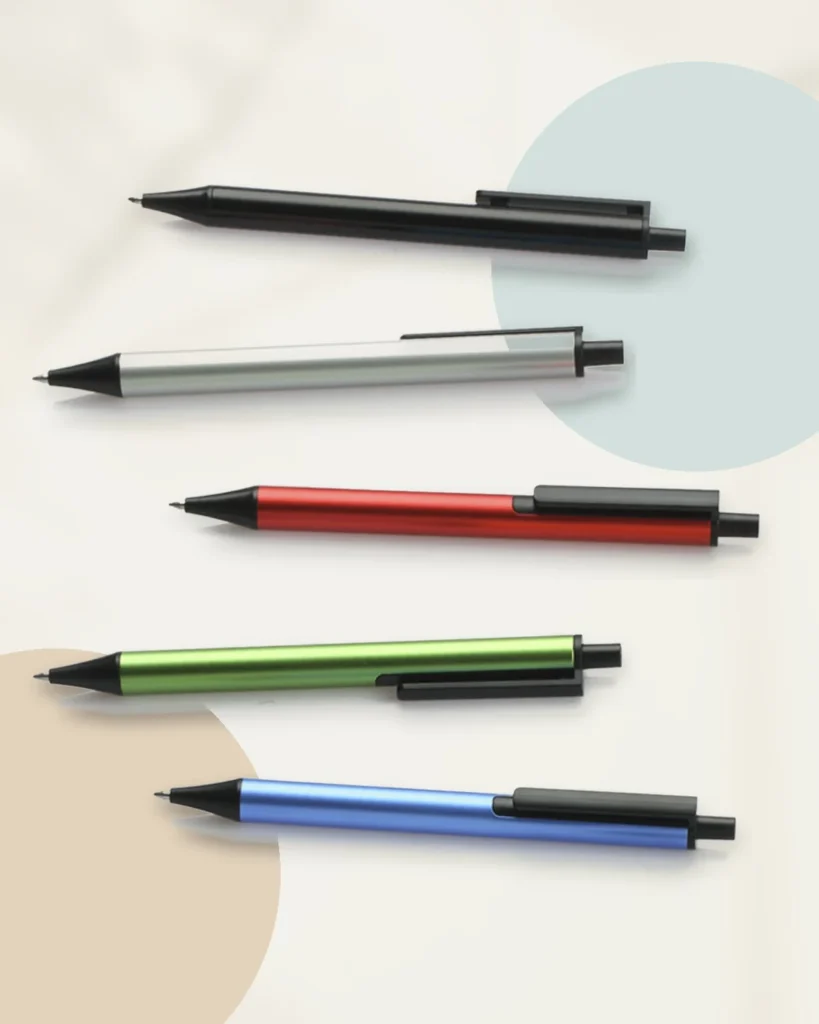
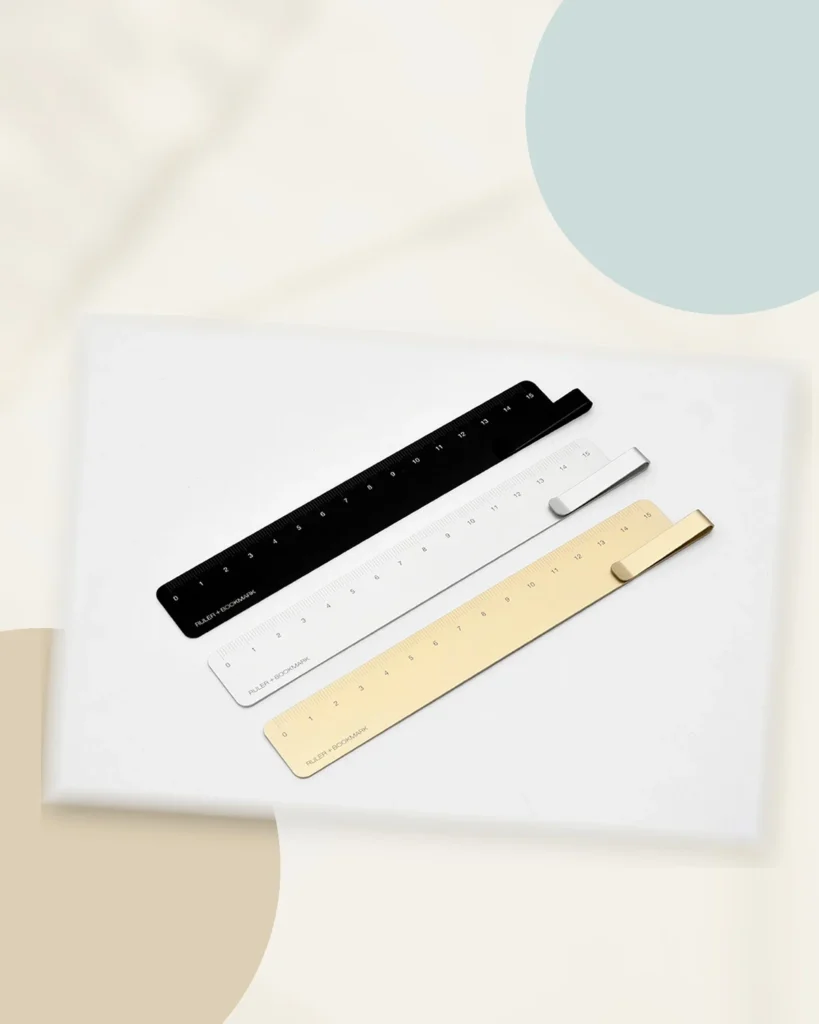
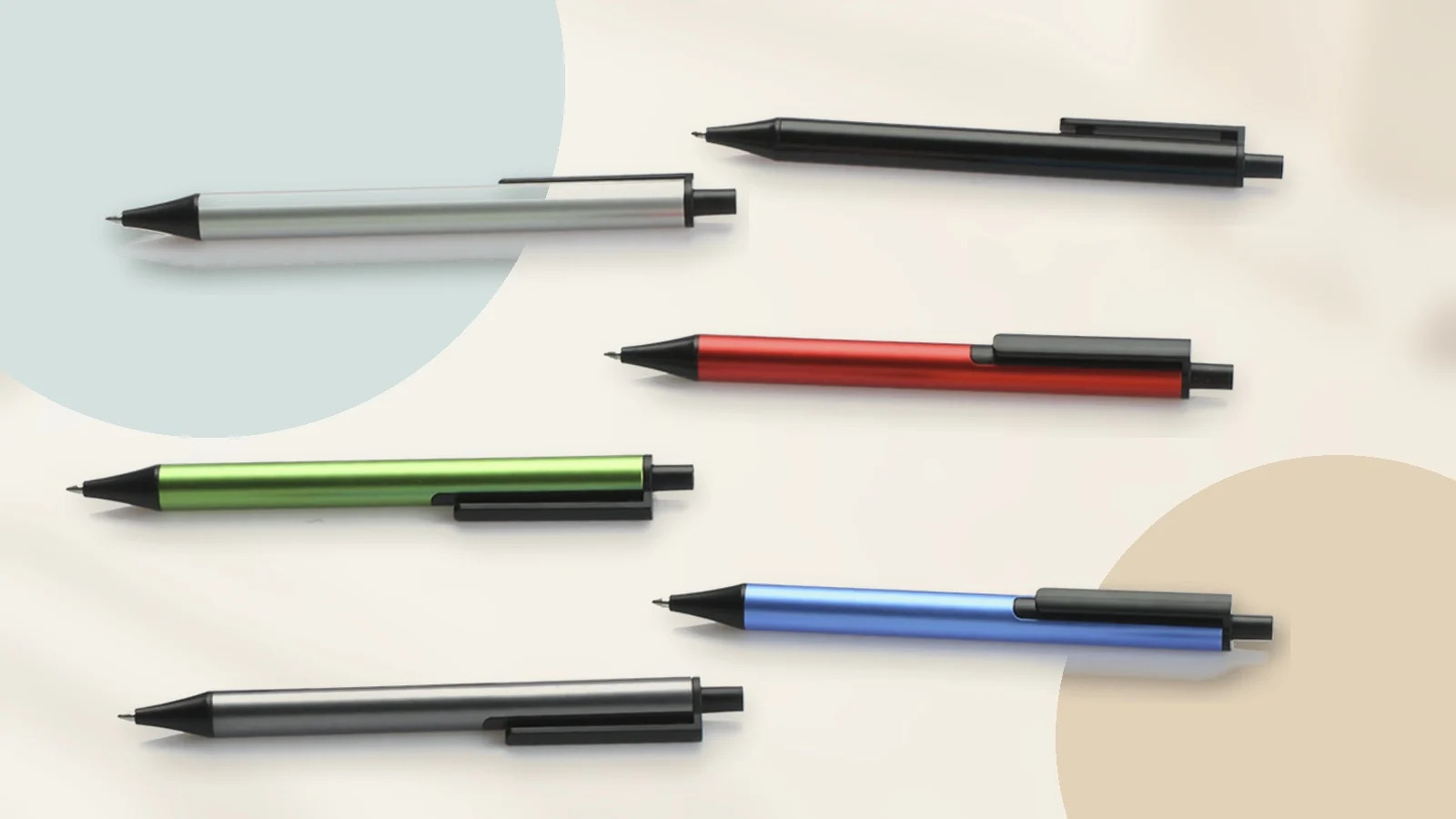
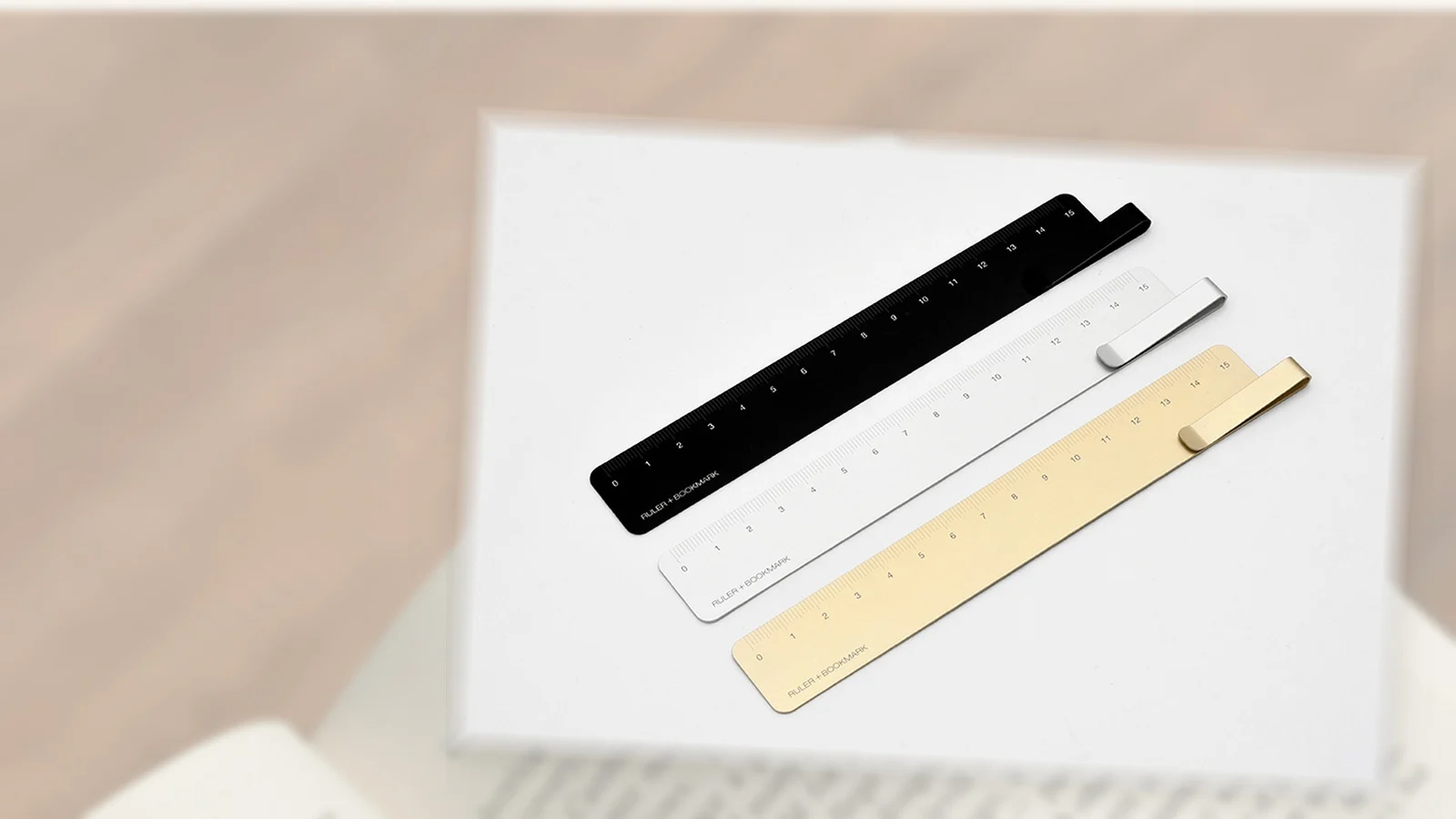
KACO’s TUBE and RUMA pages illustrate why this matters. TUBE is identified as an aluminium gel ink pen; RUMA is identified as an aluminium ruler and bookmark. They share a brand and material language but are separate records. Save the page title, URL and verification date before extracting further claims.
2. Decide what kind of page you are reading
A brand introduction, product presentation, online store listing, support page and distributor page serve different purposes. A presentation may explain design intention while omitting package contents. A store page may list a sellable configuration but simplify the design history. A manual can clarify charging or compatibility yet say little about current availability.
Label each source by role. Use the official product page for identity and manufacturer wording, the current regional store for the active offer, and the manual or support page for operational details. If a reseller is the only source for a claim, state that limitation instead of silently treating it as first-party evidence.
3. Record model, variant and region separately
Model identity answers “what is it?” Variant identity answers “which one?” Region answers “where is this configuration offered?” Keep these fields separate. Colour, capacity, plug type, included accessory, refill and language can vary without changing the family name.
Check the URL, selector labels, model code, page footer and regional domain. If a global page and a country store disagree, do not average the details. Record both, then confirm which page controls the intended purchase. A current price in one market does not establish stock, warranty or delivery in another.
4. Separate specifications from marketing language
Specifications should be transcribed as attributed facts: material, dimensions, capacity, weight, interface, refill, power input or included pieces. Marketing phrases such as “premium,” “professional” or “effortless” describe positioning rather than measurable performance. Preserve the distinction in notes and published copy.
For the KACO TUBE, an official page establishes the product identity and designer credit, while a regional KACO listing supplies details such as the 0.5mm refill. That regional detail should remain attributed to the regional listing. It should not be rewritten as an independently measured ChinoMuse result.
5. Match every number to its subject
A number without a subject is a common source of errors. Dimensions may refer to the product, package or one component. Capacity may describe a battery, container or complete set. Weight can be net, shipping or combined. Copy the unit and the object it describes, then check whether the page converts between metric and imperial values consistently.
When a value appears only inside an image, retain a screenshot or source note and compare it with any downloadable manual. Do not infer a missing dimension from proportions in photography. If two official sources disagree, show the conflict or omit the unstable value until it can be resolved.
6. Verify materials component by component
A product can combine aluminium, plastic, steel, textile, glass and coatings. “Aluminium product” may describe only the barrel or housing. Record which component uses which material, and avoid turning a finish description into a material certification.
RUMA is described as an aluminium ruler with a folded bookmark function. TUBE centres on an aluminium barrel with separate functional elements. Those statements identify design and construction at a useful level, but they do not establish alloy grade, coating thickness, recyclability or long-term wear unless the source explicitly provides that evidence.
7. Check included parts against the active offer
Photography often includes styling props, optional modules or several colourways. The written package list should control the record. Count cables, adapters, refills, cases, fasteners and tools individually. For modular systems, distinguish the core unit from expansion modules and accessories.
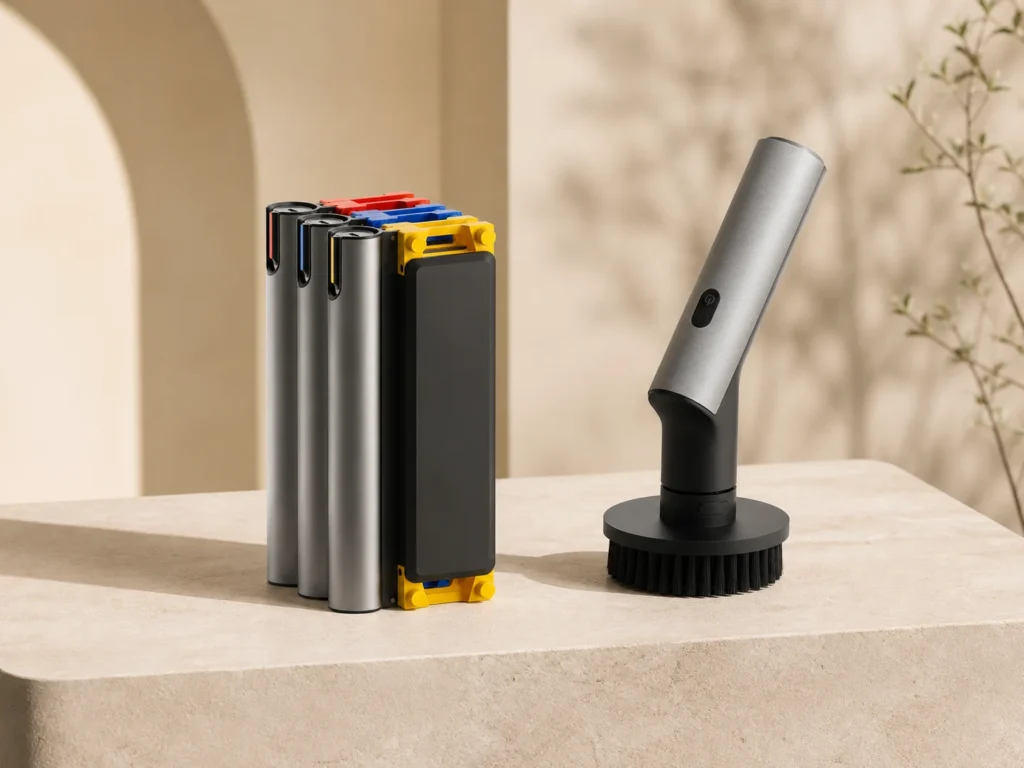
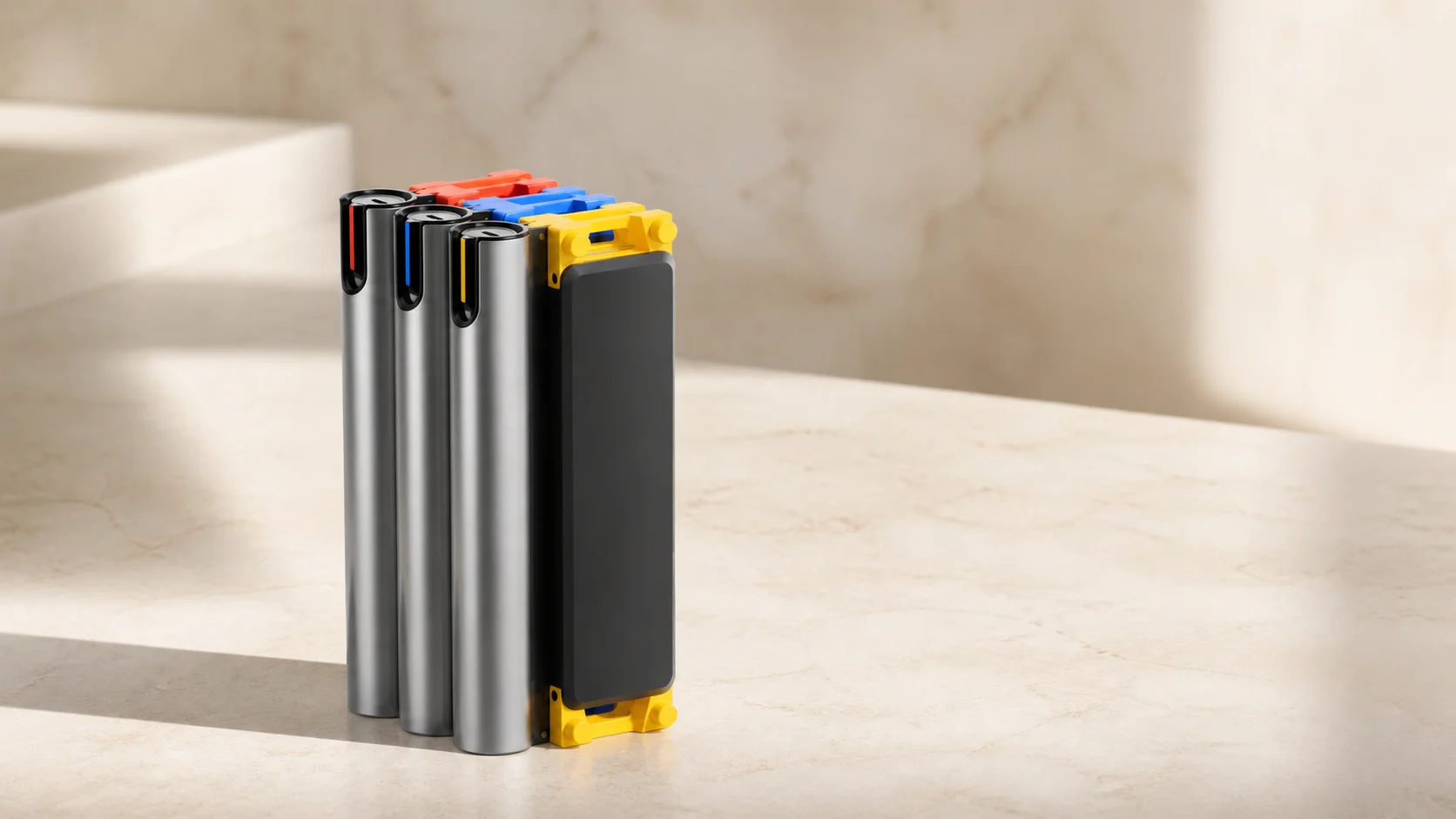
HOTO SNAPBLOQ is a useful example because the product is presented as a modular precision tool system. The exact active bundle matters more than the family image. Confirm which modules, bits, charging items and storage components belong to the selected offer before treating a pictured element as included.
8. Look for manuals, downloads and support records
A product page is often the start of the evidence chain rather than the end. Follow links to manuals, specification sheets, firmware pages, compatibility tables and frequently asked questions. These documents can clarify limits that the sales page leaves implicit.
Record the document title, version and access date. For powered products, confirm the exact charging input, battery statement, regional certification and environmental limits from the relevant model documentation. For non-powered objects, manuals may still establish care, assembly and replacement-part information.
9. Read warranty and returns as regional policies
A global brand presence does not create one global warranty. The seller, country, channel and product category can change coverage. Locate the policy linked from the same storefront as the intended purchase and record who accepts a claim, where a return must go and what proof is required.
Do not convert a general customer-service page into a promise for every destination. If the official page links only to marketplace stores, the marketplace seller and order terms may control payment, returns and after-sales service. Confirm those conditions before purchase rather than adding them later as editorial assumptions.
10. Test internal consistency without testing the product
You can check whether a public record is internally consistent without claiming hands-on experience. Compare product name, imagery, dimensions, model code and included parts across the page, manual and store. Look for an older image paired with a newer specification, a colour selector that changes the model, or a regional page using a different package.
This is evidence checking, not performance testing. It can reveal documentation conflicts, but it cannot prove comfort, durability, accuracy, noise, battery life or finish quality. Those questions require physical assessment or credible test data that is outside the scope of this source-led guide.
11. Treat awards and designer credits precisely
When a manufacturer credits a designer or displays an award, preserve the exact attribution and year shown. If possible, corroborate it with the awarding body. Do not broaden one product award into a claim that the whole brand or every current variant received the same recognition.
KACO’s public presentations credit Lin Fan on both TUBE and RUMA. That establishes a documented design connection. It does not establish an interview with the designer, continuing responsibility for later variants or ChinoMuse endorsement of the products.
12. Flag the gaps that affect a decision
Not every missing detail matters equally. Prioritise gaps that can change compatibility, safe operation, care, total cost or the ability to obtain support. A missing marketing story is less important than an uncertain model, plug, size, refill, replacement part or return channel.
If the answer cannot be verified, write a question rather than a conclusion. Examples include: Which exact version is currently shipped? Does this accessory fit the named model? Is the shown finish part of the current range? Which entity provides warranty service in the destination country?
13. Build a compact verification record
- Identity: exact brand, product name, model and variant.
- Source: official URL, page role, region and access date.
- Specifications: each number connected to its subject and unit.
- Materials: assigned to individual components.
- Contents: written package list separated from props and options.
- Support: manual, compatibility, warranty, returns and contact channel.
- Claims: manufacturer statements kept separate from editorial interpretation.
- Unknowns: unresolved conflicts and questions requiring confirmation.
14. Use the record, not the impression
A strong product page can make a product understandable, but a responsible buying decision depends on the evidence behind the presentation. The most useful record is not the longest one. It is the one that preserves exact identity, current regional context and the boundaries of what the public source can establish.
See the related KACO profile, TUBE Gel Ink Pen, RUMA Ruler + Bookmark, HOTO profile and SNAPBLOQ record. Each keeps first-party facts, editorial context and unresolved limits visibly separate.