
Material names often appear near the bottom of a product page, after form, colour and features have already done the persuasive work. In a growing set of Chinese design brands, the order is reversed. Fibre, paper, recycled fragments and composite structure become part of what the object is meant to communicate at first sight.
Four current ChinoMuse records—PITAKA’s woven aramid phone case, SHANG XIA’s carbon-fibre armchair, BENTU’s recycled-plastic stool and Stellar Works’ washi-paper table—show different ways of making material visible. They do not form one movement, but together they reveal how material identity can carry brand meaning across electronics, furniture and domestic objects.
Material becomes a visible argument
A material can be hidden beneath paint or presented as surface, edge and structure. The second approach asks the viewer to notice how the object came into being. Weave, flecks, fibres and layered edges become evidence of process, even before a technical description is read.
Visibility does not prove performance. A visible weave does not establish strength, and a recycled pattern does not quantify environmental benefit. What it can do is make material choice legible enough to invite a more precise question.
PITAKA turns aramid weave into identity
The PITAKA Sunset Summa case presents aramid fibre as both construction and graphic surface. Its coloured weave is not a printed image added after the fact; the pattern follows the crossing fibres and makes the textile logic readable across the phone case.
PITAKA’s public material pages explain its use of aramid fibre across accessories. The case shows how a material normally associated with technical applications can become a consumer-facing signature. Colour enters through the weave rather than covering it, allowing the brand to change the visual mood while retaining a consistent material language.
A woven surface is not a performance guarantee
The visibility of aramid should not be turned into unsupported claims about protection, longevity or impact performance. Case geometry, thickness, edge treatment and manufacturing all matter. ChinoMuse has not drop-tested the product or compared it with another case.
The useful observation is narrower: PITAKA has made the fibre architecture visible enough to organise a product family. Material recognition becomes part of brand recognition.
SHANG XIA uses carbon fibre outside expected categories
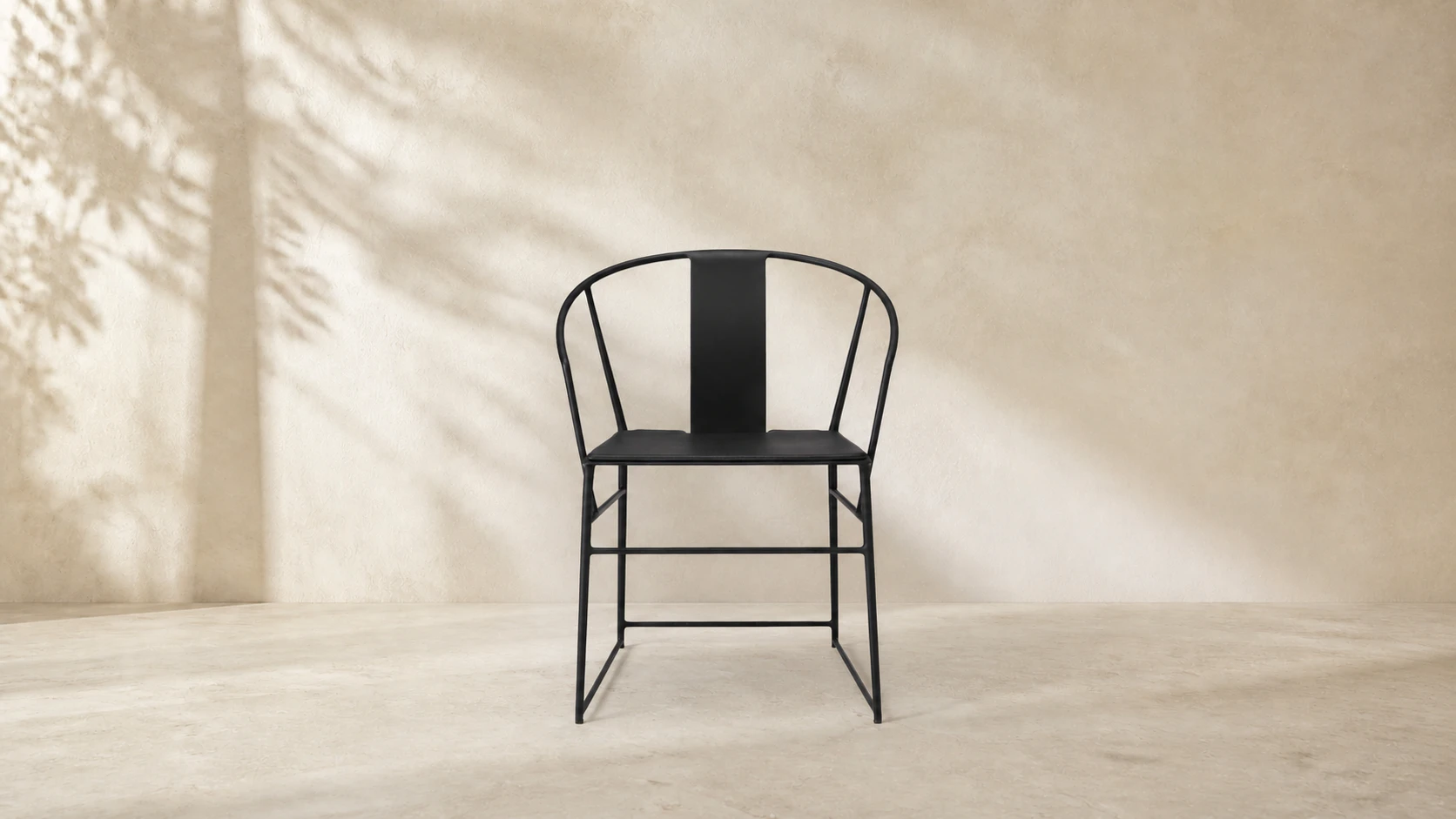
The SHANG XIA Da Tian Di Carbon Fiber Arm Chair moves a composite material into a furniture type whose visual memory is tied to wood and traditional joinery. The chair’s dark, narrow structure makes the change in material immediately apparent without abandoning the familiar outline of an armchair.
This is not a direct substitution story in which carbon fibre simply imitates wood. The contrast between a culturally recognisable form and a contemporary composite is the point. Material becomes a way to place continuity and technological change in the same object.
Tradition is carried by proportion as well as substance
When a familiar form changes material, identity can survive through silhouette, spacing and the relationship between seat, arms and back. The chair suggests that cultural reference need not depend on reproducing an old material exactly.
At the same time, a heritage reading should not be used to infer authorship, handcraft or historical continuity beyond what the cited brand record establishes. The object can open a conversation without settling every interpretation.
BENTU allows recycled fragments to remain visible
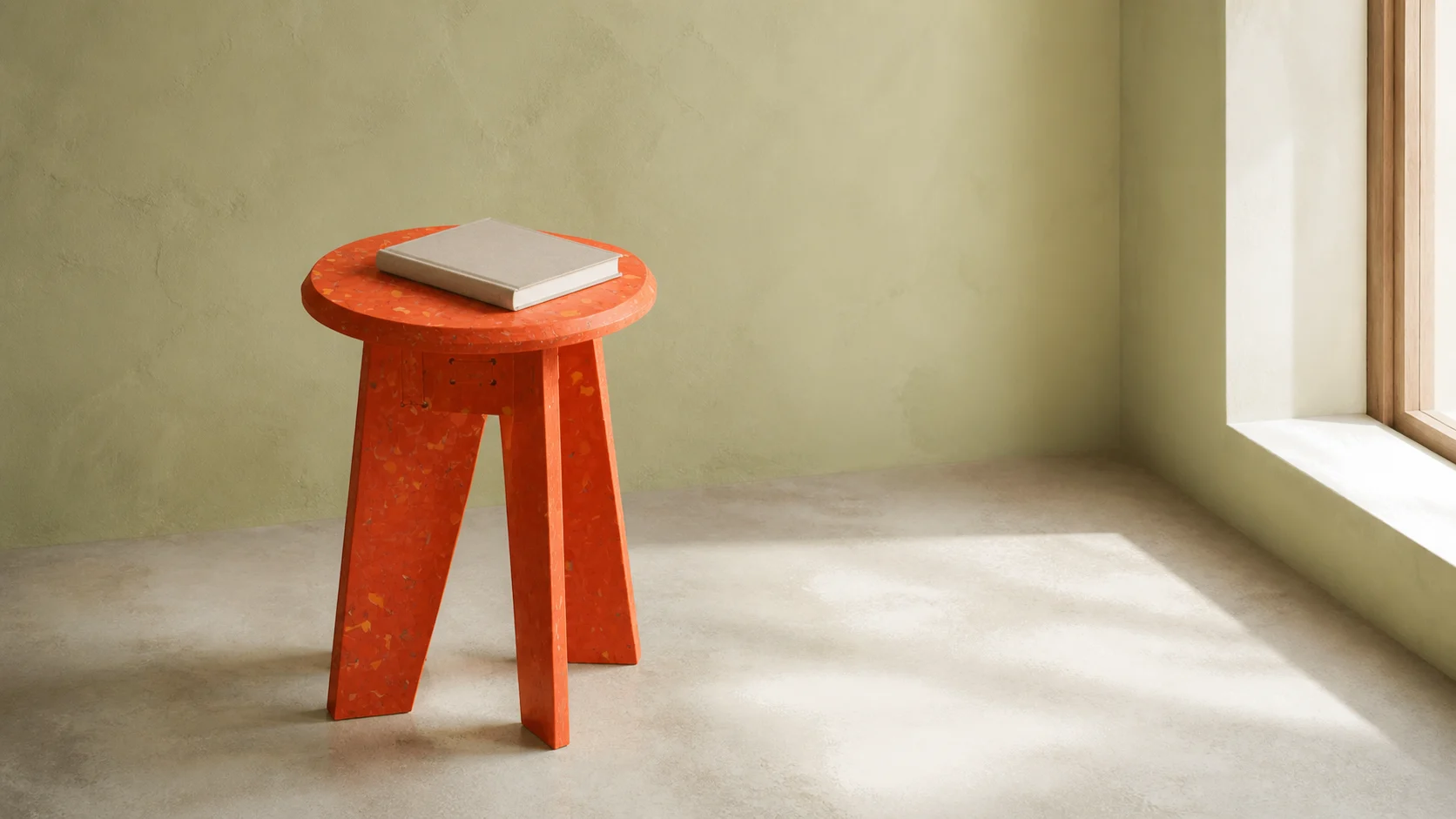
The BENTU recycled-plastic stool and side table uses a flecked surface in which small variations are part of the visual character. The material does not pretend to be a uniform virgin sheet. Its fragments make the object’s recycled identity visible across the top and legs.
BENTU has built a broader practice around material research, including recycled plastic and construction-related residues. In this stool, the surface communicates that research without needing a separate diagram: colour and irregularity are distributed through the object itself.
Recycled appearance and verified content are different claims
A speckled surface can look recycled without proving origin, percentage or processing route. Those facts require source records. ChinoMuse therefore keeps the maker’s product description separate from editorial interpretation and does not calculate environmental savings.
The design significance remains visible. Instead of hiding variation, the product uses it as evidence of a different material attitude—one in which consistency can include controlled irregularity.
Stellar Works makes paper structural enough to notice
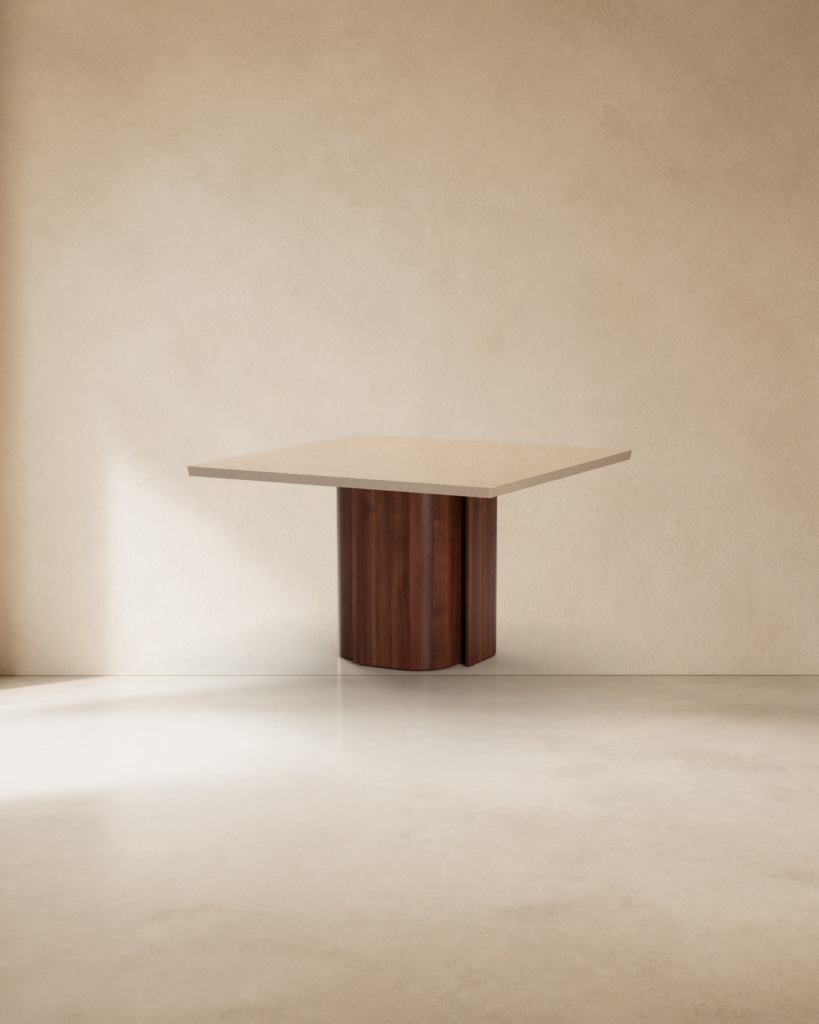
The Stellar Works Arden Dining Table — Washi Paper introduces washi into a large domestic surface. Paper is ordinarily read as thin, flexible and temporary. In a table, that expectation creates tension: the material is recognised through its tone and texture while the object presents a substantial horizontal plane.
The official product record identifies the washi-paper version, but the page does not turn the table into a general claim about all paper. The interest lies in the re-scaling of a familiar fibre-based material and the way surface treatment changes its role.
Paper changes the pace of looking
A glossy homogeneous top can be read quickly. A paper surface invites attention to fibres, slight tonal movement and the relationship between surface and base. That slower reading is part of the object’s character, even when the production process remains outside view.
Care, stain resistance and long-term wear should still be confirmed from current first-party instructions. Visual delicacy cannot be used to infer fragility, and a finished table cannot be assumed to behave like untreated paper.
Four materials, four different kinds of visibility
PITAKA exposes a weave. SHANG XIA changes the expected substance of a familiar furniture form. BENTU retains recycled flecks. Stellar Works enlarges the perceived presence of paper. The materials are visible for different reasons and communicate different relationships between process and identity.
That diversity matters. “Material-led” should not become a style label applied to every textured object. It is more useful as a question: what does the chosen material allow the viewer to understand that another surface would conceal?
Brand identity can begin before the logo
A recognisable material system can make an object identifiable before its name is read. PITAKA’s weave and BENTU’s flecked composites are particularly direct examples. In SHANG XIA and Stellar Works, recognition also depends on form, cultural reference and collection context.
This can make material research commercially meaningful without reducing it to decoration. The surface becomes a repeatable part of the brand vocabulary, while individual products still require their own verification.
What photographs can and cannot establish
Photographs can document colour, broad texture, silhouette and the way a material is publicly presented. They cannot prove composition percentages, mechanical performance, ageing, comfort or environmental impact. Those questions require source documentation or physical testing.
ChinoMuse has not handled the four objects, visited their factories or interviewed their designers. Product identity and material descriptions are attributed to the cited first-party pages; the connections drawn here are editorial analysis.
Why visible material matters now
Contemporary Chinese product design is often described through speed, technology or manufacturing capacity. These four records point to another reading: brands are also using material as a deliberate narrative device. The object explains part of its own making through what remains visible.
That does not remove the need for evidence. It makes evidence more important, because a compelling surface can encourage claims that exceed the record. The strongest material stories keep appearance, verified identity and performance in their proper places.
Editorial scope
This independent story is based on public first-party brand and product information checked on 17 August 2026. ChinoMuse has not physically tested the featured objects. No partnership, sponsorship, supplied sample, environmental guarantee or endorsement is claimed.