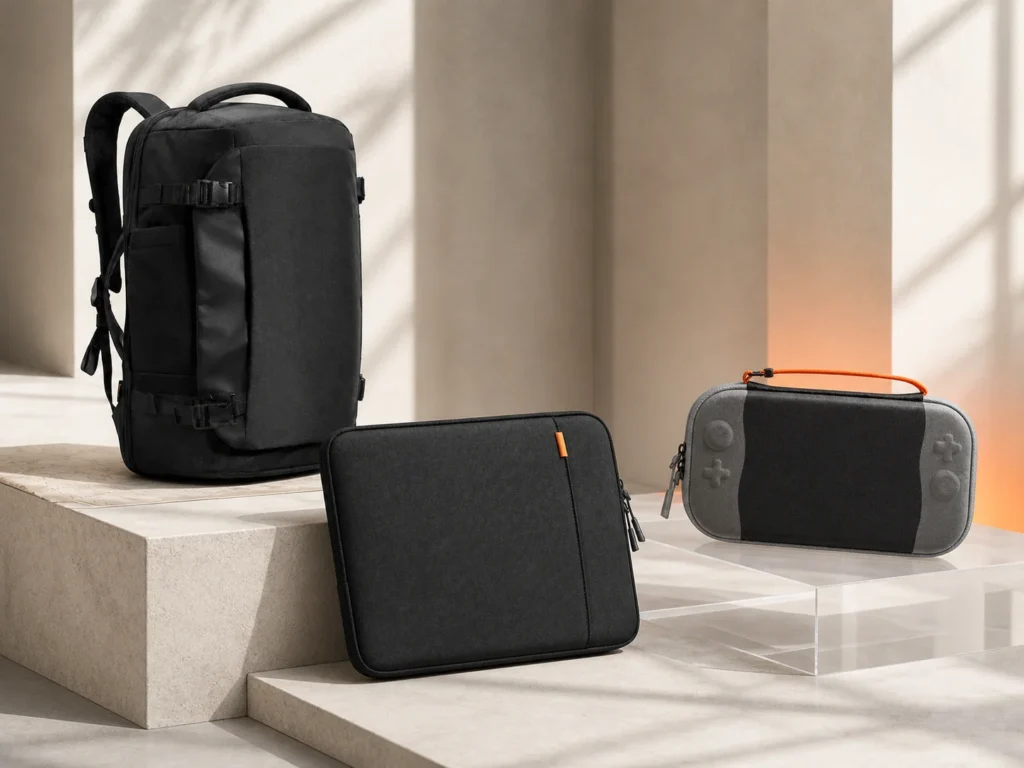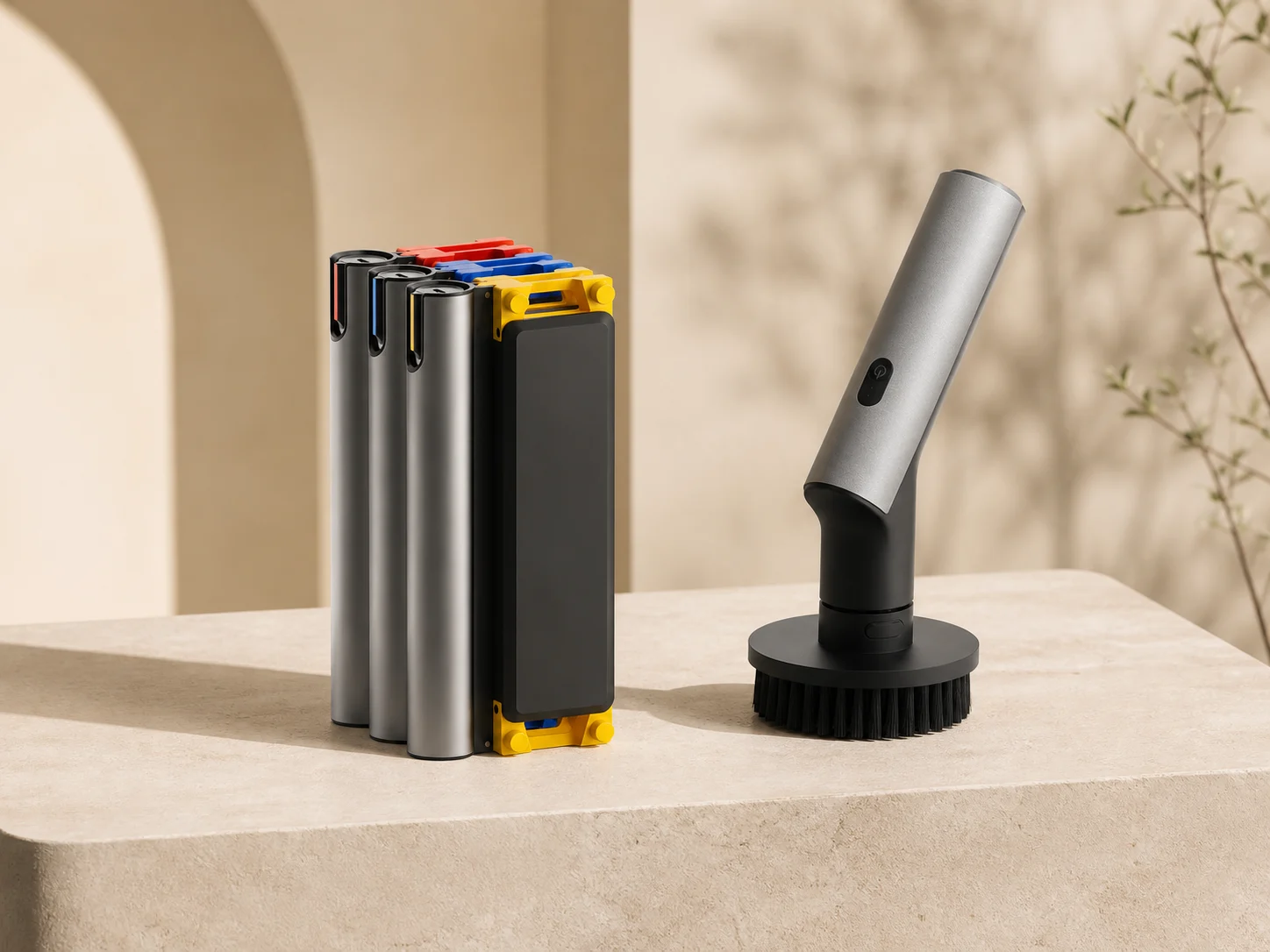



A good-looking product page can tell you what an object is supposed to be. It cannot, by itself, tell you whether that object fits your space, your equipment or the way you work. The useful question is not whether a product from China looks innovative. It is whether the exact model can be identified, whether its important claims are specific enough to check and whether its limitations still make sense for the intended use.
This guide offers a repeatable way to evaluate design-led products from China without relying on rankings or unverified experience. It is designed for products discovered online, where the buyer may be comparing several regional websites and may never see the object in person before making a decision.
1. Identify the exact object
Begin with the manufacturer, product name and model or variant. Do not treat a marketplace title, an image search result or a reseller description as proof of identity. Find the brand’s own page and check whether the form, controls, dimensions and included parts match the version being considered.
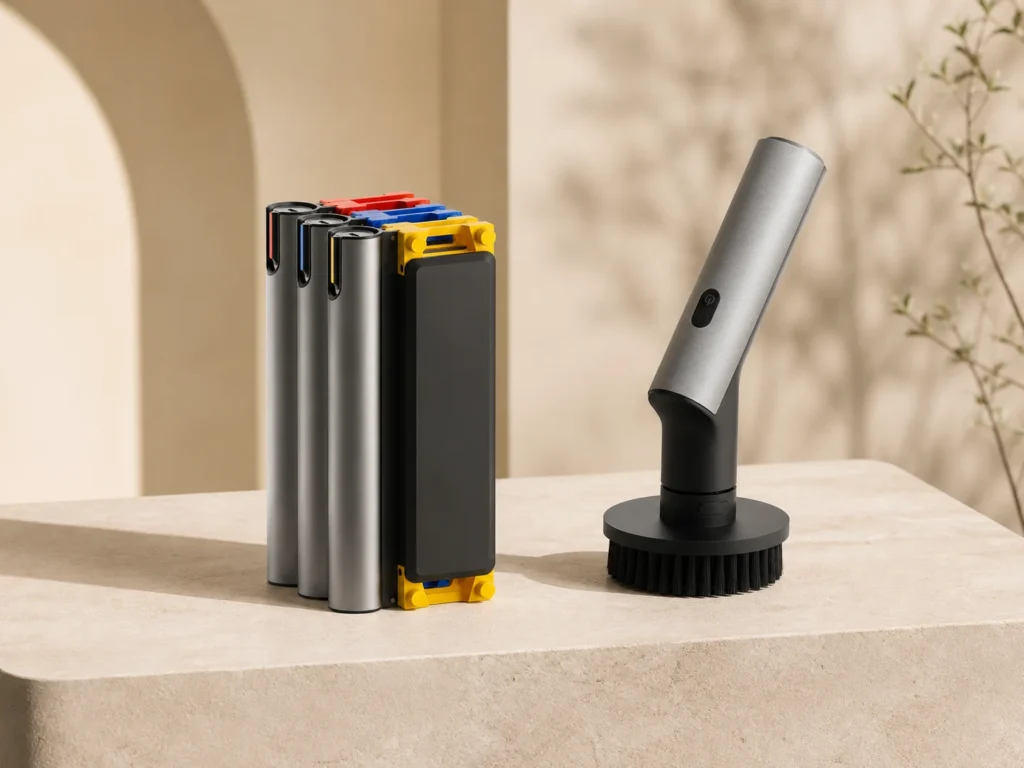
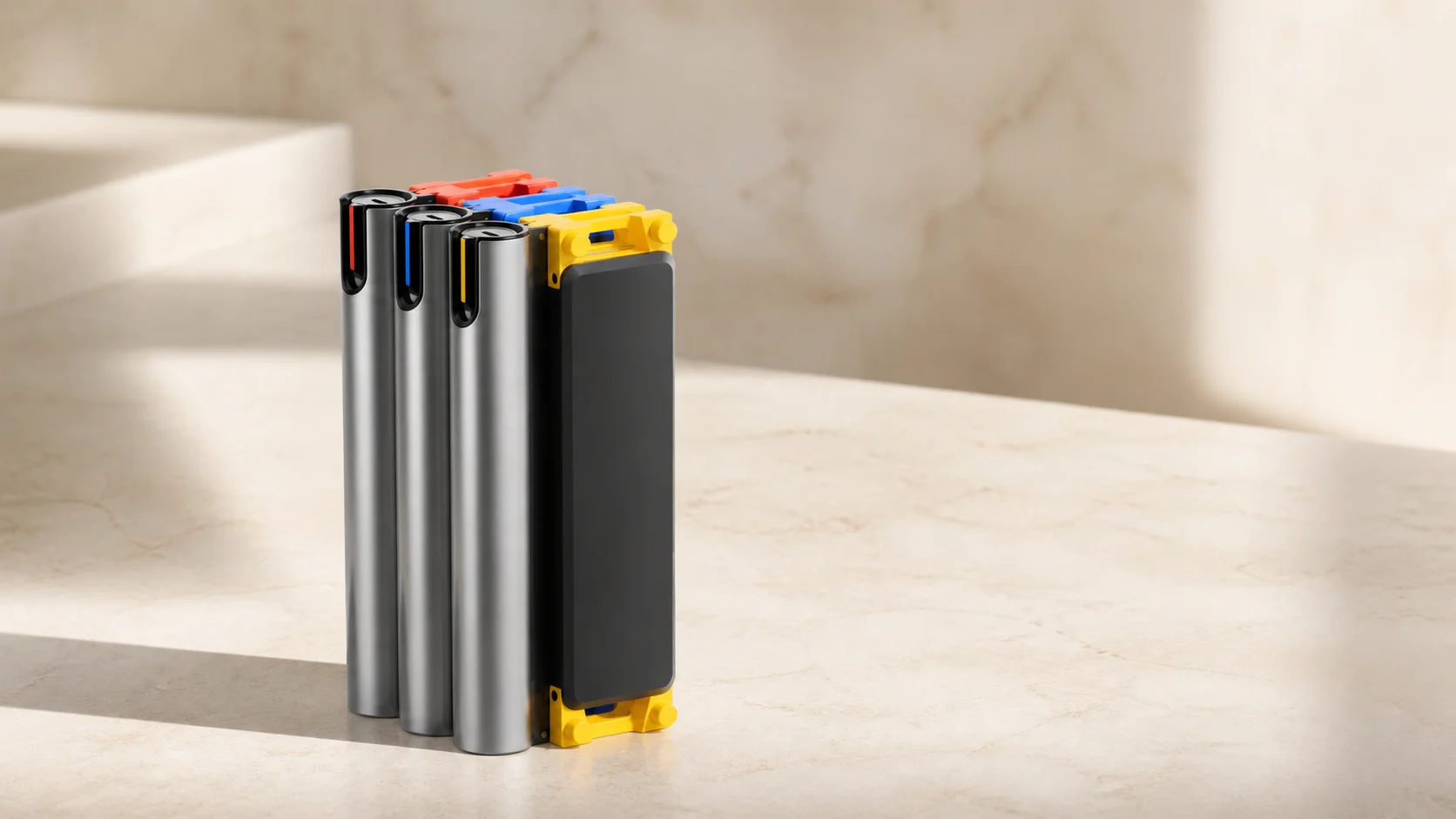
This matters because one product family can contain substantially different objects. HOTO SNAPBLOQ, for example, is a modular system rather than a single tool: HOTO lists separate screwdriver, mini-drill and rotary-tool modules. The useful comparison is therefore not simply “SNAPBLOQ versus another screwdriver.” It is the exact module or kit, the accessories it includes and whether future modules will work with the same system.
Record the official URL, model name and date checked. If a page later changes, that small record makes it possible to understand which version informed the decision.
2. Turn intended use into a precise question
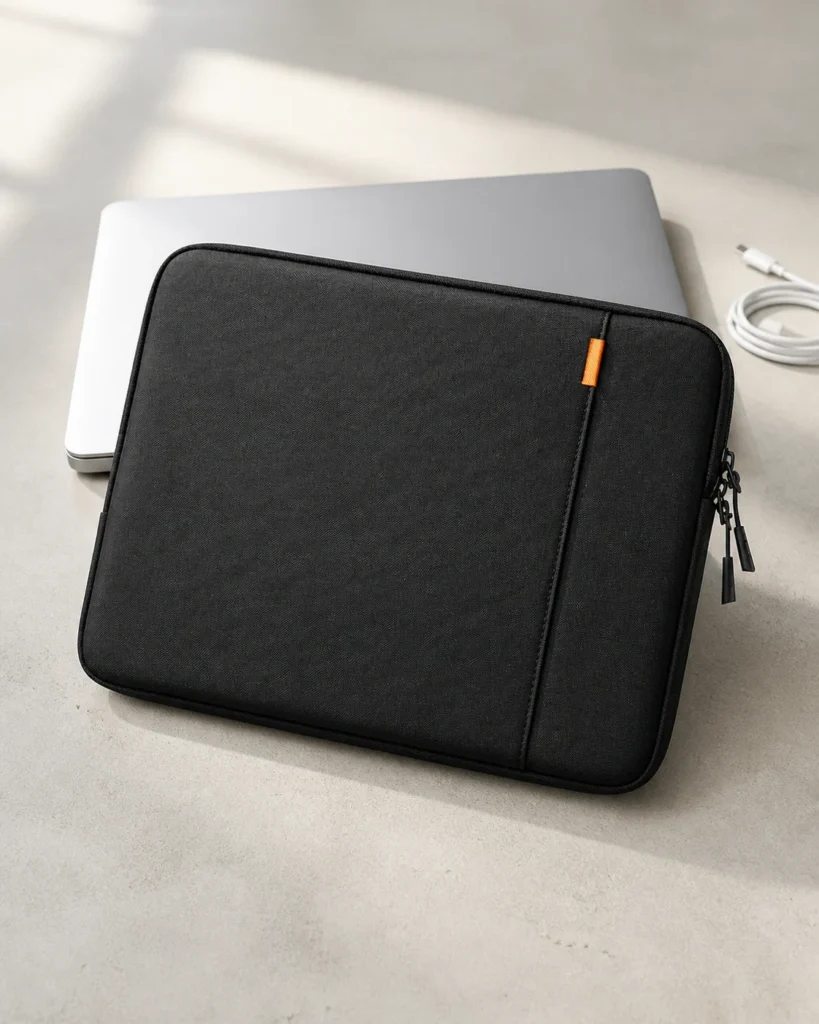
“For travel,” “for the desk” and “for home” are discovery labels, not requirements. Replace them with a task that can be checked. A laptop sleeve needs to fit a particular chassis, not an abstract screen size. A tea cup needs an appropriate serving volume. A pendant light needs to work with a specific electrical installation. A precision tool needs the right module, bit and control for the job.
A useful one-sentence brief contains the object, the task and the constraint. For example: “I need a sleeve for a laptop measuring no more than 12.8 × 9.14 × 0.91 inches, with room for a charger elsewhere.” That brief can be compared with evidence. “I need a stylish 14-inch sleeve” cannot.
3. Read dimensions as a system
Headline dimensions are rarely enough. Look for internal and external measurements, weight, usable volume, clearance around controls and any tolerance created by handmade production or soft materials.
The current official page for the tomtoc Defender-A13 lists internal dimensions of 12.8 × 9.14 × 0.91 inches and larger external dimensions. That distinction is more useful than the 13.5–14.4-inch label. Two laptops with the same diagonal screen measurement can have different bodies, feet, hinges and edge profiles. The device dimensions should be compared with the inside of the sleeve, with a small allowance rather than a forced fit.
Volume deserves the same attention. The Loveramics Pro Tea cup is listed at 145ml, with dimensions of 7.5 × 7.5 × 6cm and a weight of 155g. Those numbers describe a compact serving cup, not a mug. The right question is whether 145ml matches the tea service and number of pours you want—not whether the cup looks large enough in a photograph.
4. Separate material identity from performance
Material names explain what an object is made from; they do not automatically establish durability, comfort or environmental impact. Aluminium can reduce visual bulk but still vary in wall thickness and finish. Concrete can create a distinctive surface but introduces weight and installation questions. Recycled plastic describes feedstock, not an independently measured life cycle.
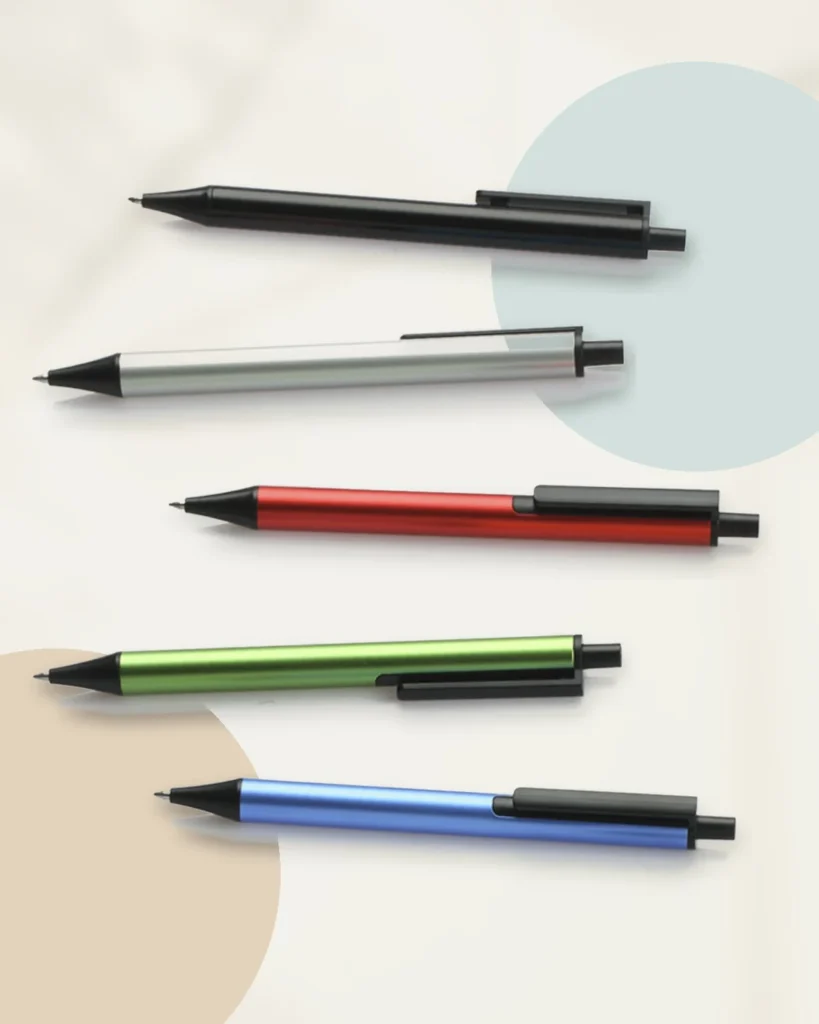
The KACO TUBE is identified by KACO as an aluminium gel ink pen. That supports a discussion of its metal barrel and reduced form. It does not prove writing smoothness, finish durability or refill life. Those are different claims and would require physical testing.
BENTU’s official page for the “#” stool and side table specifies recycled municipal plastic waste, a 340mm diameter, a 450mm height and a 5kg weight. Those are useful facts. The broader environmental benefit remains a manufacturer position unless it is supported by a separate life-cycle assessment.
5. Check compatibility before features
Compatibility failures are often more important than feature differences. Check power, voltage, plug or charger format, device generation, replacement parts, consumables and software or accessory dependencies.
This is essential for powered products. Battery capacity and charging input should belong to the exact model and region being considered. An ingress-protection rating must be read alongside the maker’s instructions; it is not permission to use a product in every wet environment. For a fixed light such as the BENTU RU Pendant Lamp, the official record lists 220V, an E14 LED source and a 3W rating. That makes electrical compatibility and qualified installation part of the decision before colour or shape.
6. Understand what belongs in the box
Product photographs often show a complete family, while the selected option may include only one component. Read the variant selector, package list and module names. If the brand offers several kits, compare them line by line. Do not assume that a stand, charger, bit set, infuser, strap or storage case shown in one image is included in every configuration.
Systems need an additional check: what can be expanded later, and what is proprietary? HOTO describes SNAPBLOQ as a stackable architecture and publishes module options. That flexibility is meaningful only if the required module is available in the buyer’s region and the desired accessory is compatible with the chosen base.
7. Treat unusual design as a usability decision
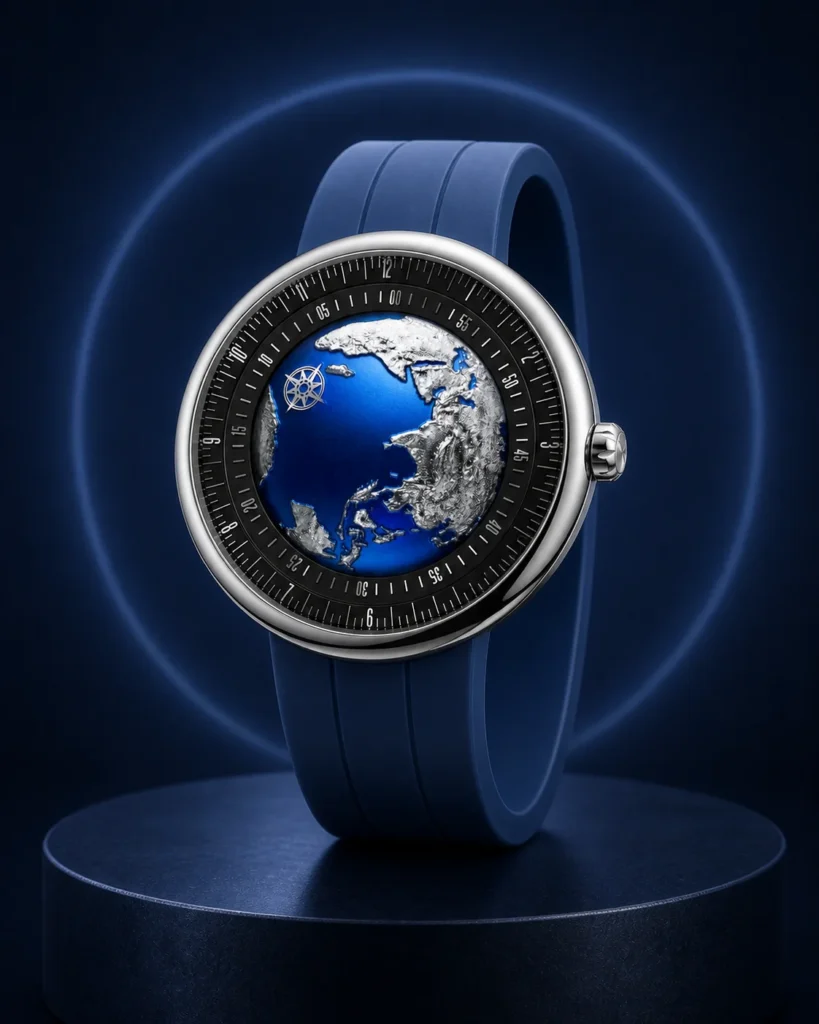
Distinctive design is valuable when it changes how an object communicates or works, but novelty can also create a learning curve. The CIGA design Blue Planet II uses an unconventional mechanical time display centred on a rotating globe-like form. Its identity is clear and its official specifications can be recorded, but the display still has to be readable for the individual wearer. A visually memorable mechanism is not automatically the most legible choice.
The same principle applies to furniture, controls and storage. Ask what the design changes, what it asks the user to learn and whether that exchange is worthwhile in daily use.
8. Verify access, service and regional terms
An active official page does not guarantee stock, international delivery, local warranty handling or replacement parts. Check the destination-specific store, the seller named at checkout and the terms that apply to that transaction. Prices and delivery promises should be treated as current only on the day and regional site where they are displayed.
Also distinguish the maker from the retailer. A marketplace may be convenient, but a listing that changes the model name, omits specifications or combines reviews for several variants weakens the evidence. Return to the official record whenever identity or compatibility is unclear.
A ten-minute evaluation record
- Identity: manufacturer, exact model, variant and official URL.
- Use: the task the object must perform.
- Fit: internal and external dimensions, weight and clearance.
- Materials: what the maker states and what remains untested.
- Compatibility: device, module, voltage, charger, consumable or installation requirements.
- Package: exactly what is included in the selected option.
- Access: current region, seller, stock and support route.
- Limit: the most important fact that has not been independently verified.
Use the record, not the impression
The aim is not to remove taste from a design decision. It is to prevent taste from carrying factual questions it cannot answer. Once identity, fit, compatibility and limitations are clear, material character and visual preference can be considered on firmer ground.
ChinoMuse uses this distinction across its product profiles: manufacturer information is attributed, editorial interpretation is identified and the absence of hands-on testing is stated. The method does not guarantee that a product will suit every user. It makes the reason for choosing—or rejecting—it easier to explain.