
Craft Innovation
PINWU CEWO Chair
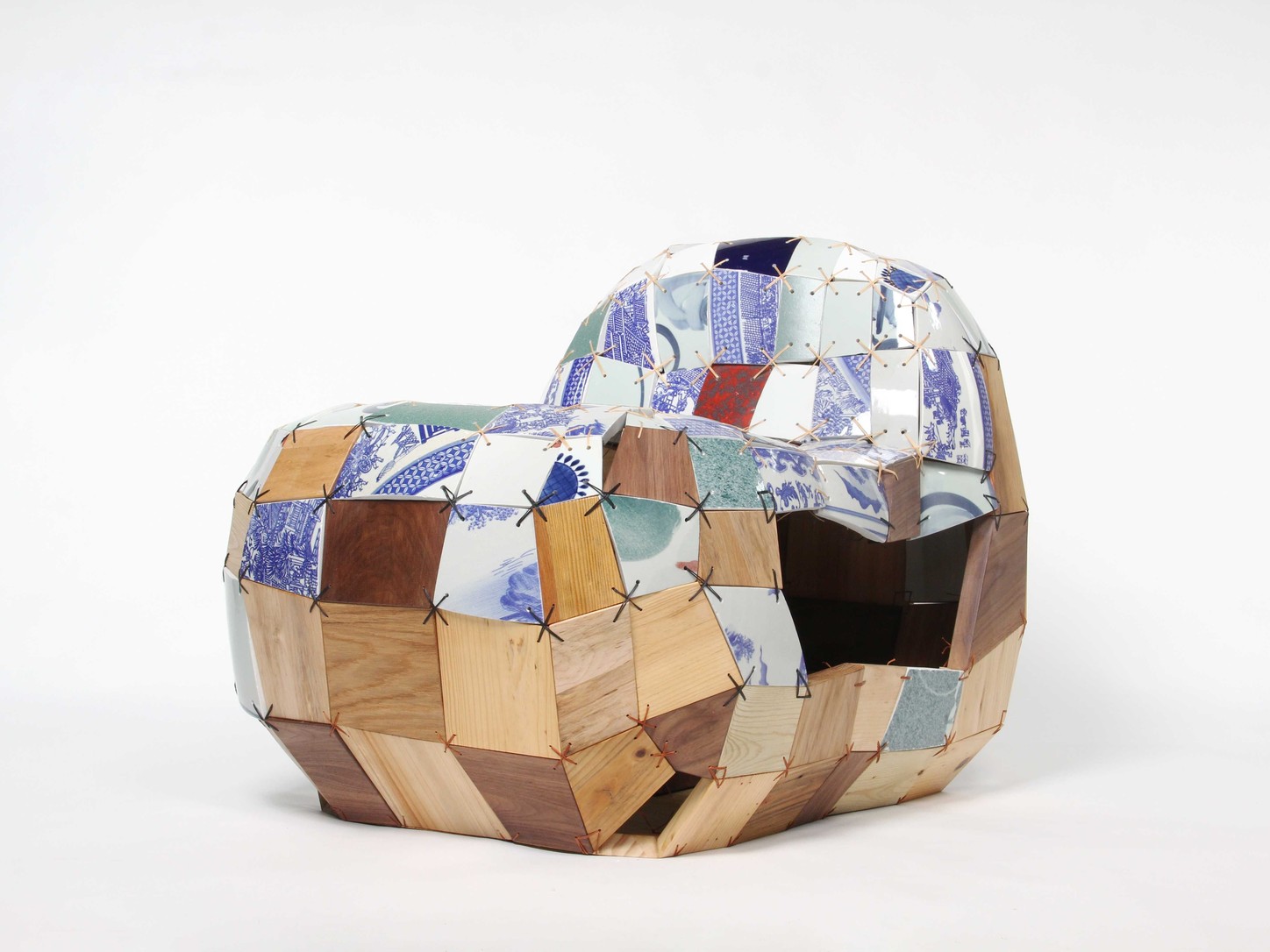
A 2023 conceptual chair joining 105 reclaimed ceramic fragments and 69 pieces of recovered studio wood with removable…
View product →Brands / Verified profile
A Hangzhou design studio that deconstructs Chinese craft materials and translates their processes into contemporary furniture, objects and installations.
Identity record
Representative products
A 2023 conceptual chair joining 105 reclaimed ceramic fragments and 69 pieces of recovered studio wood with removable…
View product →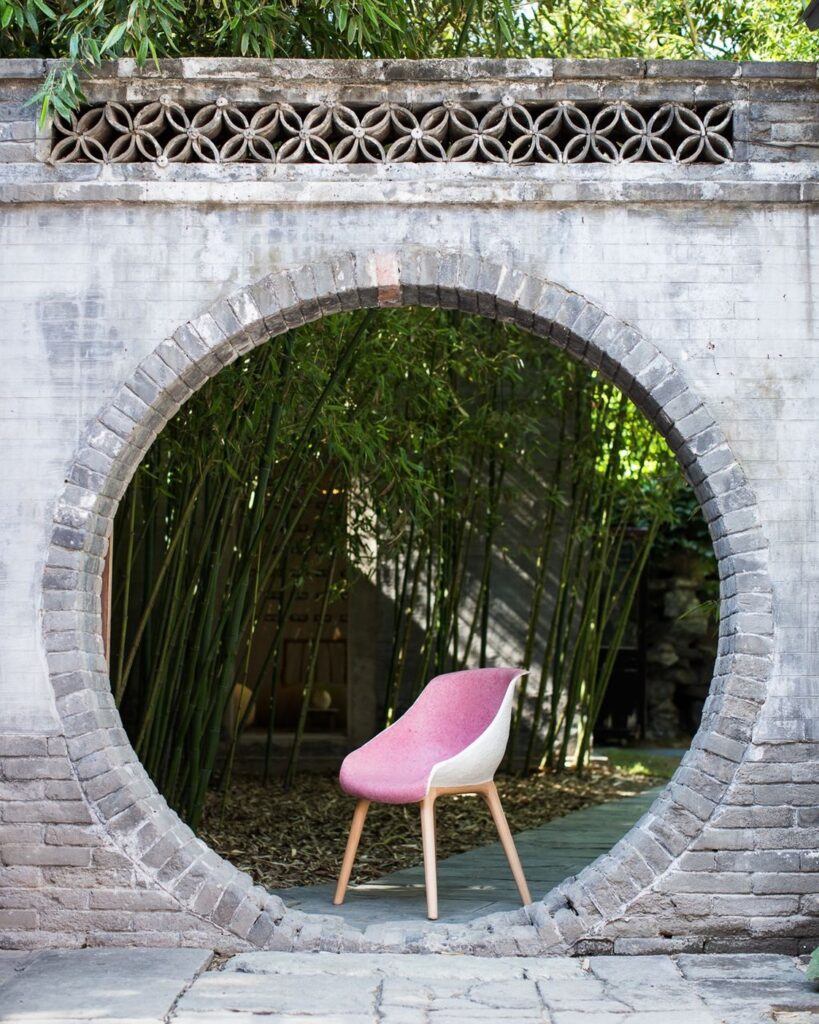
A 2013 chair that transforms bamboo-derived paper pulp into a rigid shell on beech legs, with colour variants…
View product →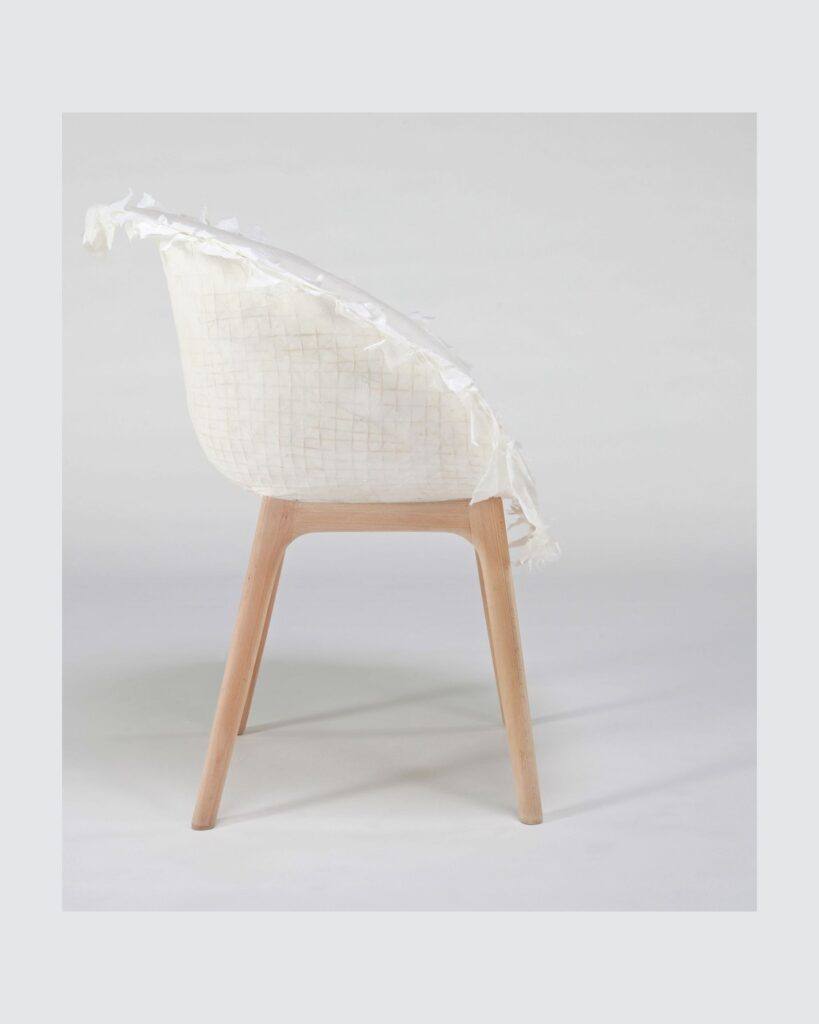
A 2013 shell chair combining bark paper, beech and fine bamboo filaments through methods informed by paper umbrellas…
View product →PINWU is a design studio based in Yuhang, Hangzhou. Its official profile names Zhang Lei, Jovana Zhang and Christoph John as the founding designers and describes a practice spanning furniture, products, installations, spaces, visual communication, curating and brand strategy. The connecting method is material research: traditional Chinese crafts are studied, separated into materials and processes, and translated into contemporary design rather than reproduced as period style.
PINWU makes craft knowledge legible through construction. A paper chair is not presented only as a decorative reference to paper making; its shell tests how pulp, bark paper or bamboo filaments can gain stiffness. A chair made from ceramic fragments and recovered wood makes stitching, dismantling and reuse visible. This approach is useful for readers because material origin, joining method and final form can be discussed separately instead of being compressed into a general claim about “heritage”.
The three works are not a sales ranking and do not represent PINWU’s complete practice. They were selected because each has a stable first-party record and because together they show different relationships between waste material, paper craft and structural joining. CEWO is the most recent of the three and focuses on reconfiguration. GU turns pulp into a shell. Piao II combines paper with a fine bamboo network to reduce the number of paper layers used in the earlier Piao approach.
ChinoMuse checked the cited official pages on 24 August 2026. The archive establishes studio identity, designers, dates, named materials and selected dimensions, but it does not establish that every work is currently in serial production or available for international purchase. No price, edition size, load rating, certification, delivery coverage or warranty is inferred. ChinoMuse has not visited the studio, interviewed the designers, handled the works or assessed their comfort, strength, finish or ageing.
The profile uses official public PINWU photography as limited editorial quotation. Images are cropped and resized for the site while the documented objects remain recognizable. Source URLs and the verification date are stored with each asset. Inclusion does not imply partnership, sponsorship, permission, a sample or hands-on testing, and a credible rights request will trigger review or replacement.

